The New Direction of Men's Style |
On the runways of Europe, something is shifting. |
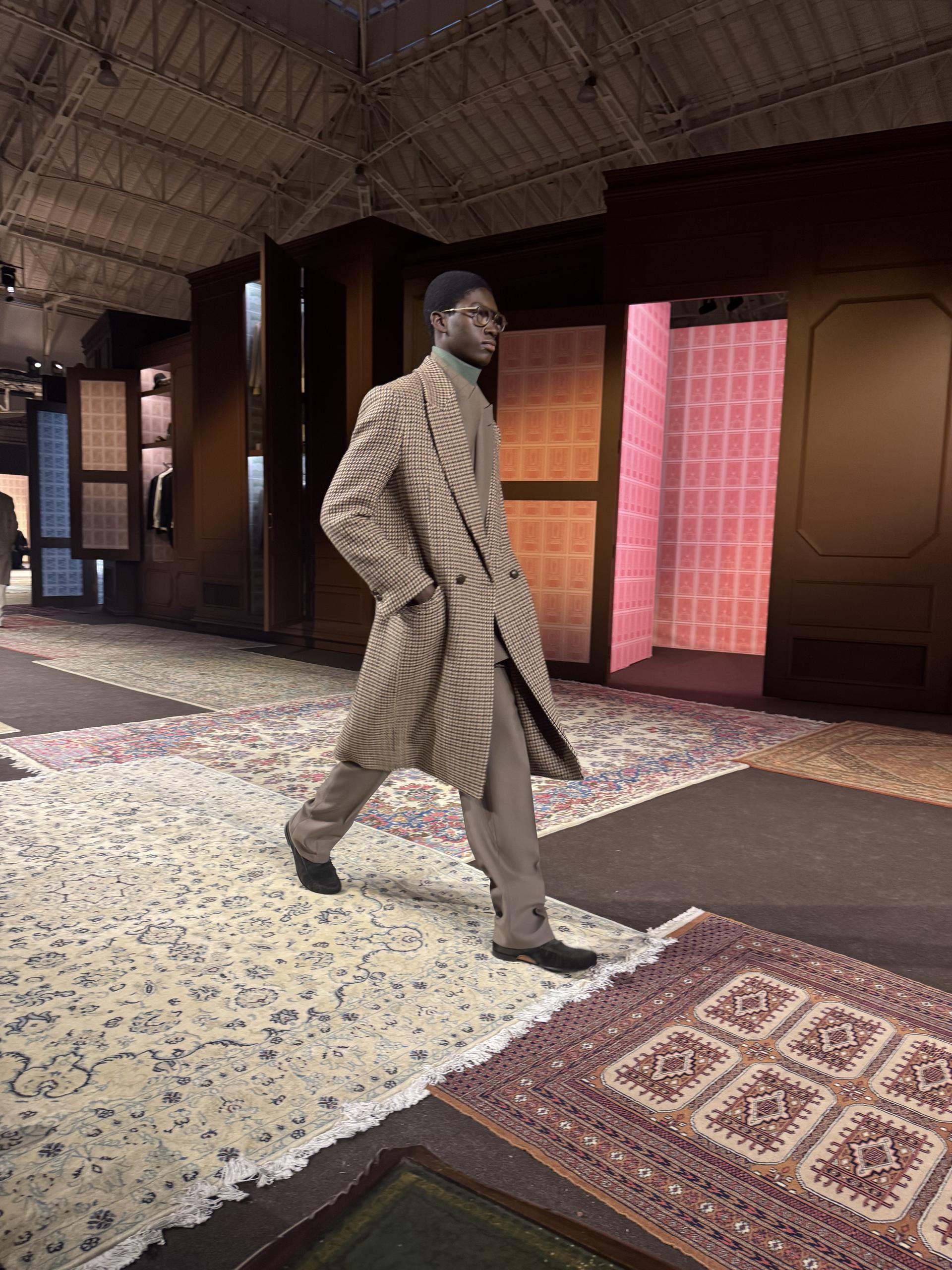
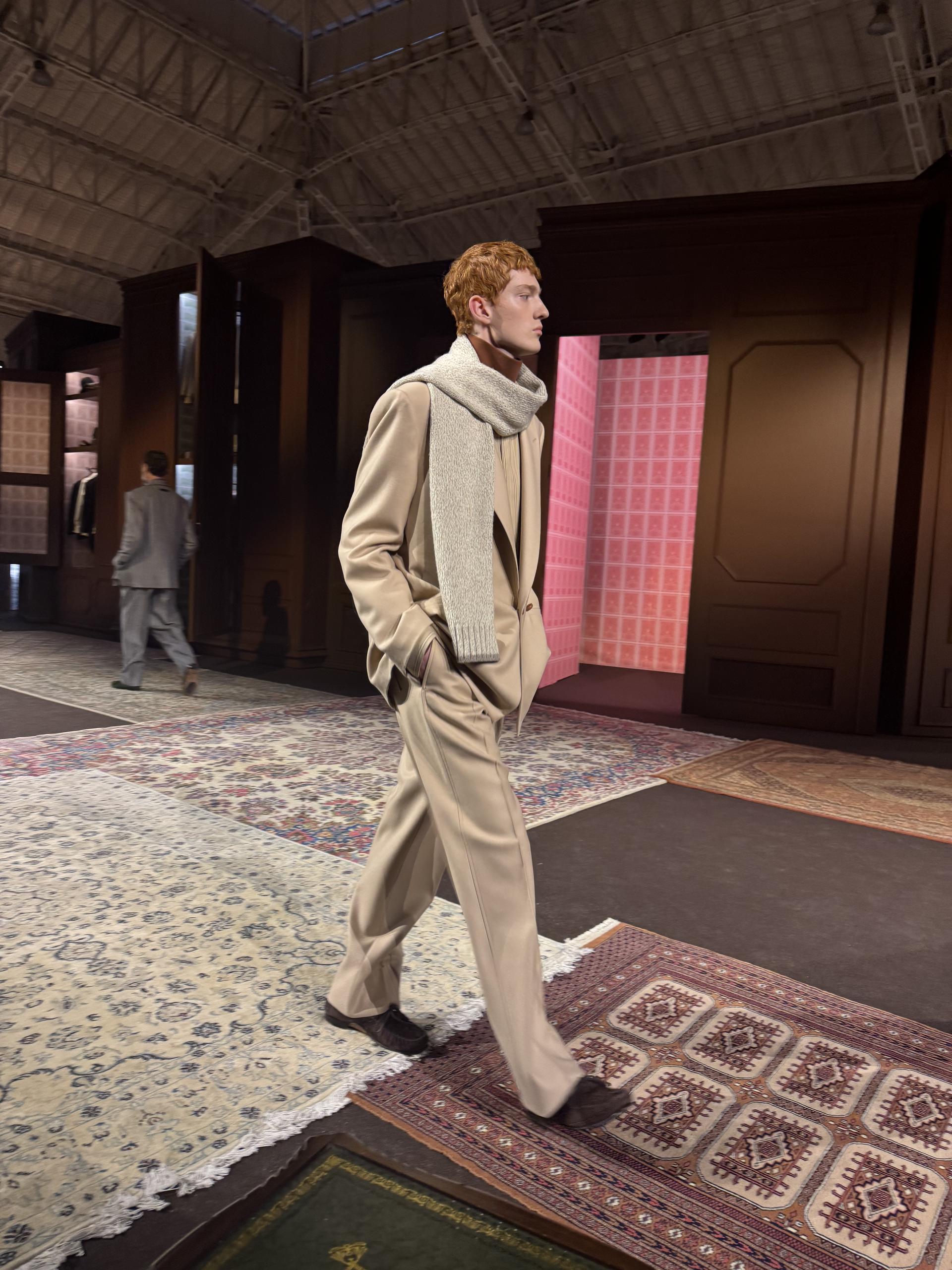
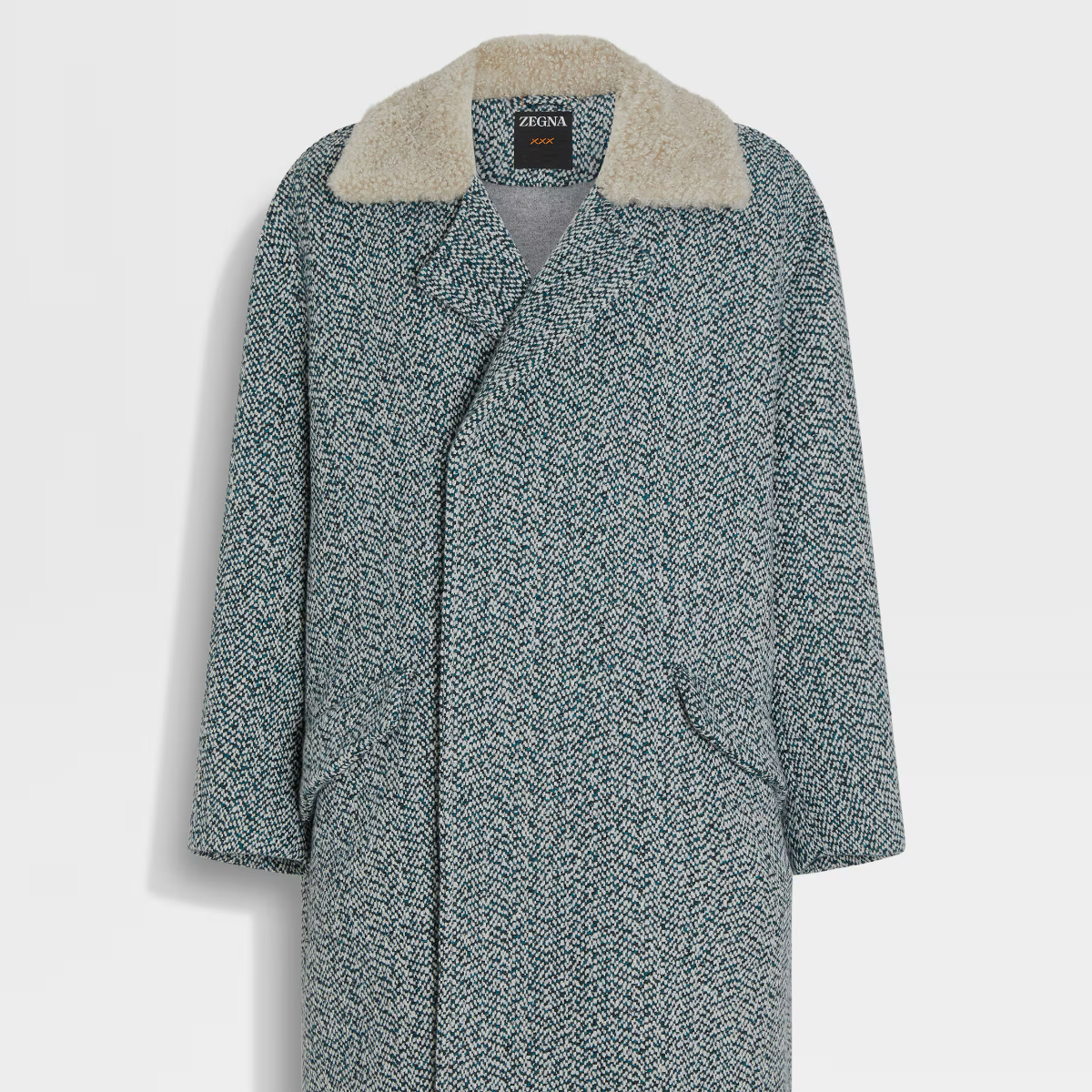
At Zegna's show, classic patterns like gun club checks and houndstooth were felt more luxurious than ever. |
At Esquire, we're in the thick of the men's fashion season, which means tooling around in Florence, Milan, and Paris, scoping out the newness on offer for next fall and winter via a robust itinerary of runway shows and grand presentations. We have a deliberately wide scope for Esquire's readers, running from casual and vintage to high fashion and the pinnacle of sartorial ready-to-wear. We're not looking for trends, however—at least not the instafodder that increasingly tends to feel worn-out by lunchtime. No. What we are looking for are early signs that suggest men's style may be headed in a new direction. At the end of last week in Milan, we found it. On day one of its busy four-day timetable, the first intimations of a sea change came from uberbrand Zegna. Under Alessandro Sartori, its long-standing creative director, Zegna has modernized its aesthetic to no end in the past decade, morphing what was once considered classic into a new design vocabulary aimed at bringing younger customers—or ones with younger mindsets—into the fold. Tailoring is still there but it's softer, roomier, and says anything but work. |
|
| Under the creative direction of Alessandro Sartori, the tailoring is looser and younger-feeling. |
This time, however, that contemporizing force was softened—on a runway strewn with vintage carpets—by a nod to classic gentlemanly cloths that would not look out of place in a Savile Row tailoring shop like gun club checks, houndstooth tweeds, Glenn plaid, corduroy, and Donegal. Except in Sartori's hands they feel way more luxurious. These decidedly Anglo-Saxon cloths, once the mainstay of tony bespoke houses, were fused with Zegna's softened, flowing tailoring to create something new yet pleasingly familiar. Zegna was just the first indication that something was happening in Milan, something that suggests style that works across multiple age groups—with Sartori's teens to sixties cast of models to illustrate it—has new currency provided it's up there in quality. Forget quiet luxury, this is superluxury. |
|
|
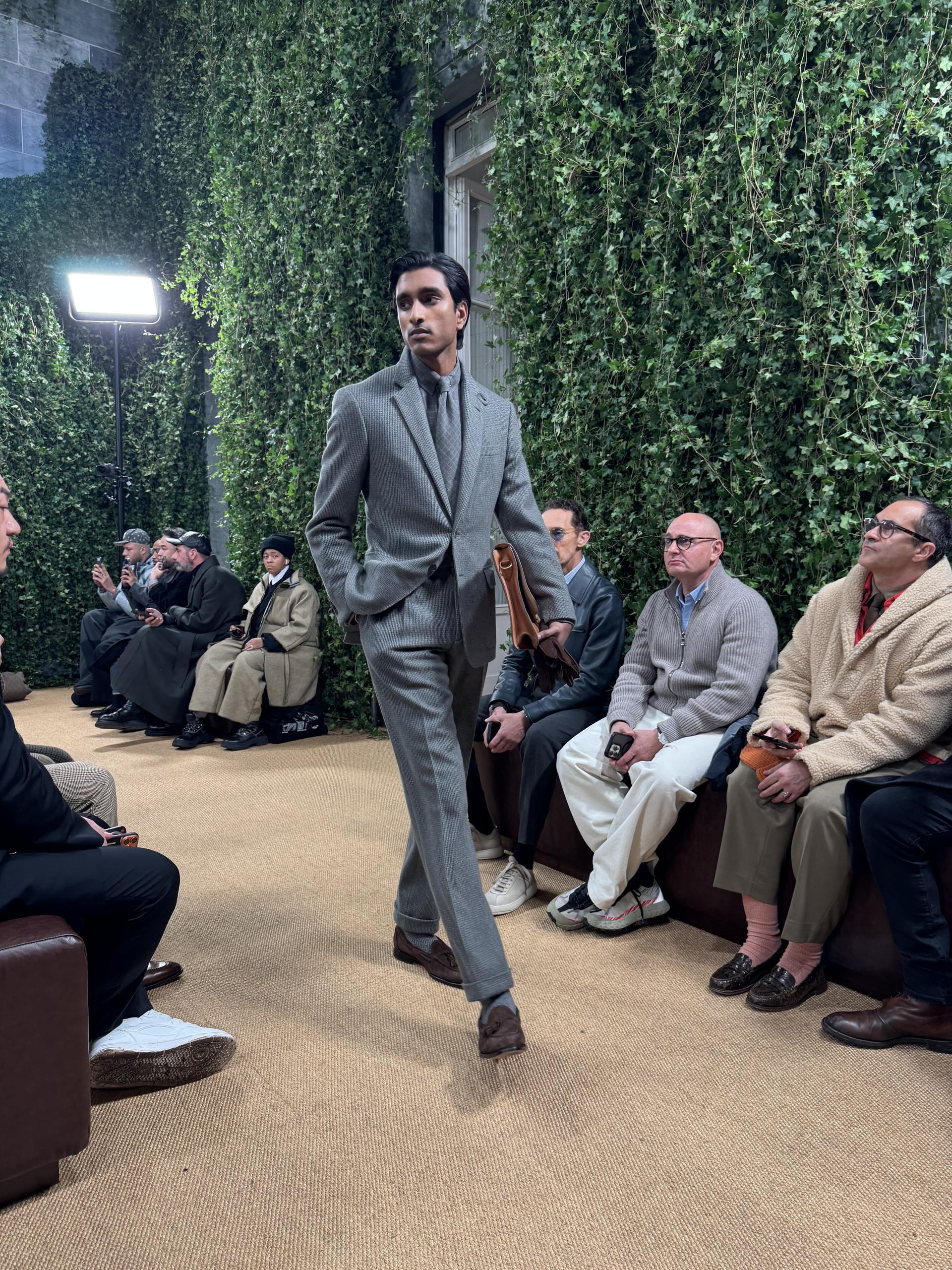
Ralph's return to the runway was well worth the wait. |
Ralph Lauren only periodically shows his menswear on a runway, but he chose this season to stage a live show again at the midcentury Milan palazzo he has owned since 1999. His timing could not have been better. The clothes—from both Polo and Purple Label—ranged from Western-inspired casual to winter sports gear to polished sartorial style and multiple variations on the theme of black tie. If we're headed to a phase in menswear where serious dressing up is the order of the day, Ralph has every right to lead from the front. |
|
|
At Dunhill, it was all about classic British design with a little sexiness thrown in the mix. |
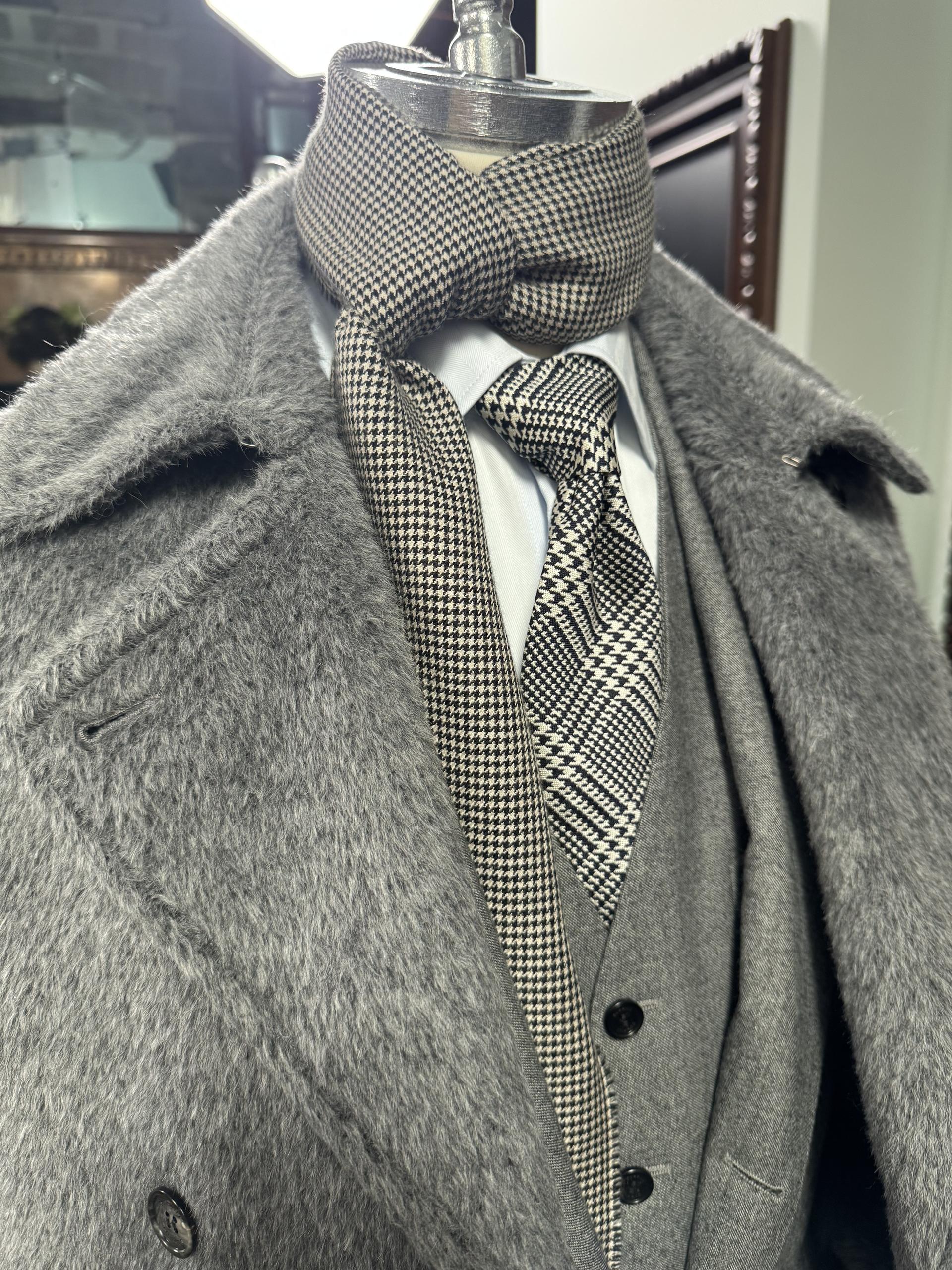
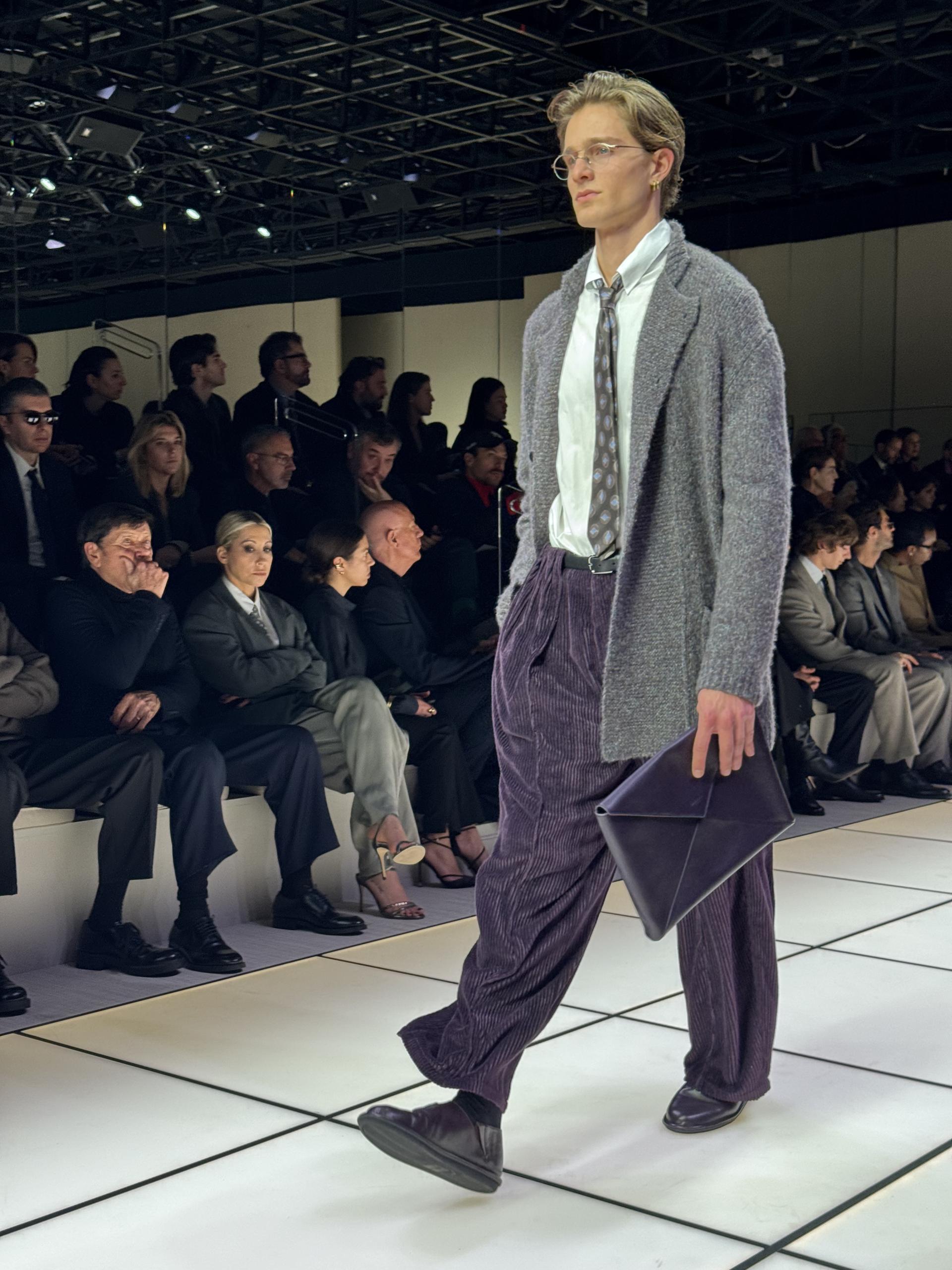
Also worthy of serious attention is London-based Dunhill, where creative director Simon Holloway is well into his stride at the helm of a brand founded as a saddlery as long ago as 1893. Holloway loves the classic British aesthetic and with Dunhill he is in the perfect place to exercise it. But having worked successfully for years in Italy, the veteran designer knows a thing or two about how to make it modern, comfortable, and sexy too. For his inspiration he looked to Anthony Armstrong Jones, aka Lord Snowdon, who split his time between a stormy marriage to Princess Margaret, sister to Queen Elizabeth II, and a long career as a successful portrait photographer. Snowdon's stomping ground was the hedonistic heyday of swinging London in the '60s and '70s, and his signature style fused Savile Row with unexpected touches like leather jeans and turtlenecks gleaned from the rock stars he liked to hang out with when he wasn't with the royals. | The Armani show was a celebration of modernity. |
At Giorgio Armani, the first men's show since the passing of the maestro, what might have been a somber occasion was instead a quietly joyful celebration and a tour de force of everything the late designer gave us, not only in the clothing that carried his name but in the wider world of style his aesthetic informed. Armani, in short, gave us modernity. And as his long-time collaborator Leo dell'Orca (he joined the company in 1977, just two years after it was founded, and is currently head of the men's style office for all of the Armani lines) stepped out from behind the screens to thank the audience, Milan closed its long weekend in an optimistic mood. |
|
|
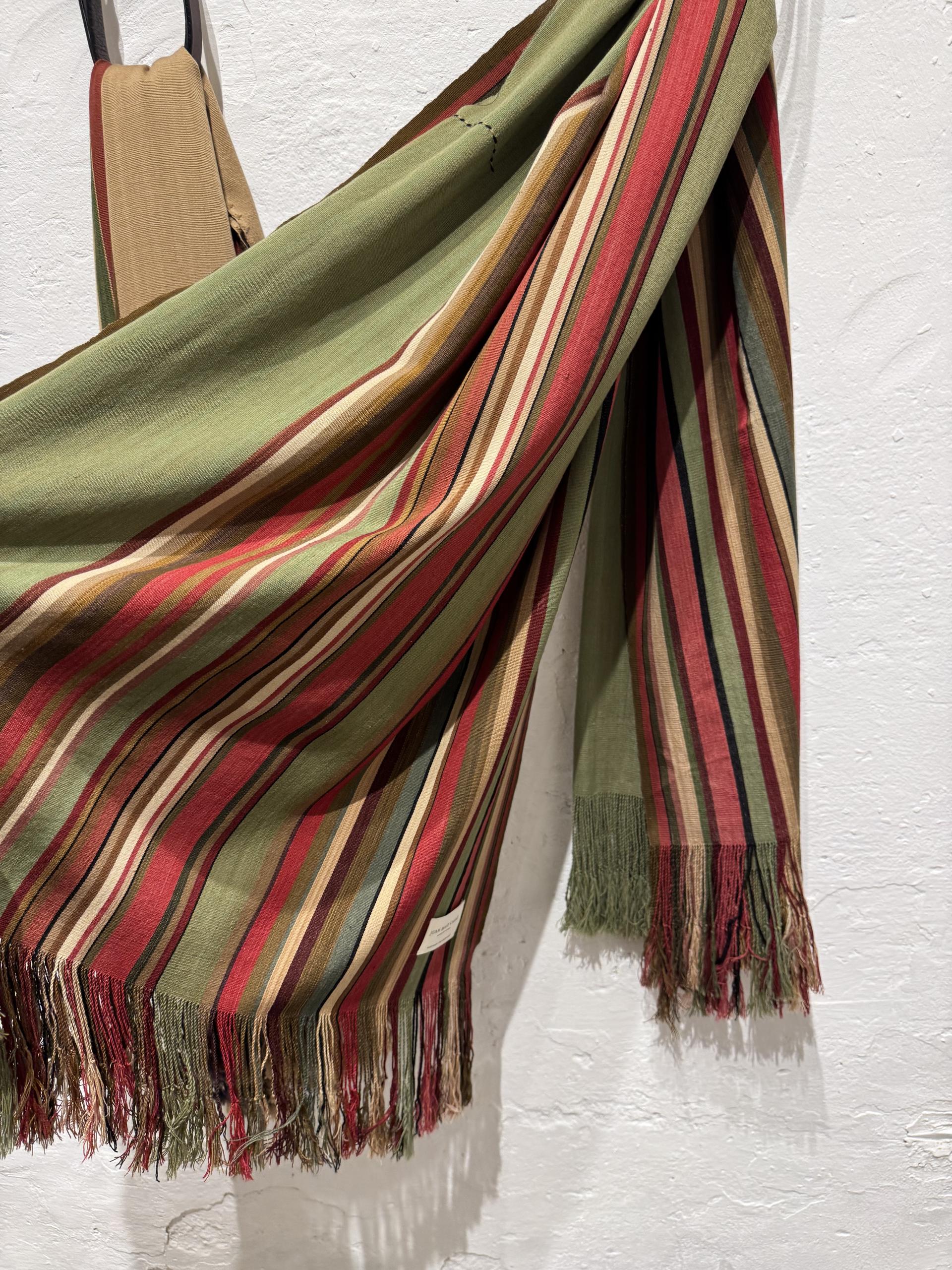
Juan Mais Casas's presentation focused on outstanding textiles and leather goods. |
In Italy's fashion capital, runway fashion is far from the whole story. More perhaps than anywhere else, everything from the comfort and performance to the look of a piece of clothing starts from the cloth, the yarn, the raw material. And that means that, away from the runway, there is just as much to be excited about from long-established specialists in knitwear or leather, shoes or tailoring, denim or cashmere. Here an entire industry underpins the forward trajectory of men's style, whether by big home-grown brands or small new labels from far, far away. Juan Mais Casas, case in point, is a Buenos Aires-born, Argentine designer who came to Milan the long way, via fifteen years in Tasmania. At his debut Milan space were woven alpaca and cotton ponchos, vegetable-tanned leather bags, and rugs—all made in Argentina using local materials. The line has a sophisticated yet earthy luxury with more than a whiff of Gaucho about it. Mais Casas's brand is small—for now—but it's well worth a look on his website. Small, intimate presentations like these are where big ideas can start. You have to seek them out. But it's well worth it. |
Thanks for reading this week's Big Black Book newsletter. See you in a couple weeks. Until then, feel free to drop me a note at nicksullivanesquire@hearst.com. - Nick Sullivan, creative director |
Did someone forward you this email? Sign up here. |
|
|
|






No comments:
Post a Comment