The Loafer's Big Generational Shift |
Cool kids have discovered classic footwear. That's very good news in my book. |
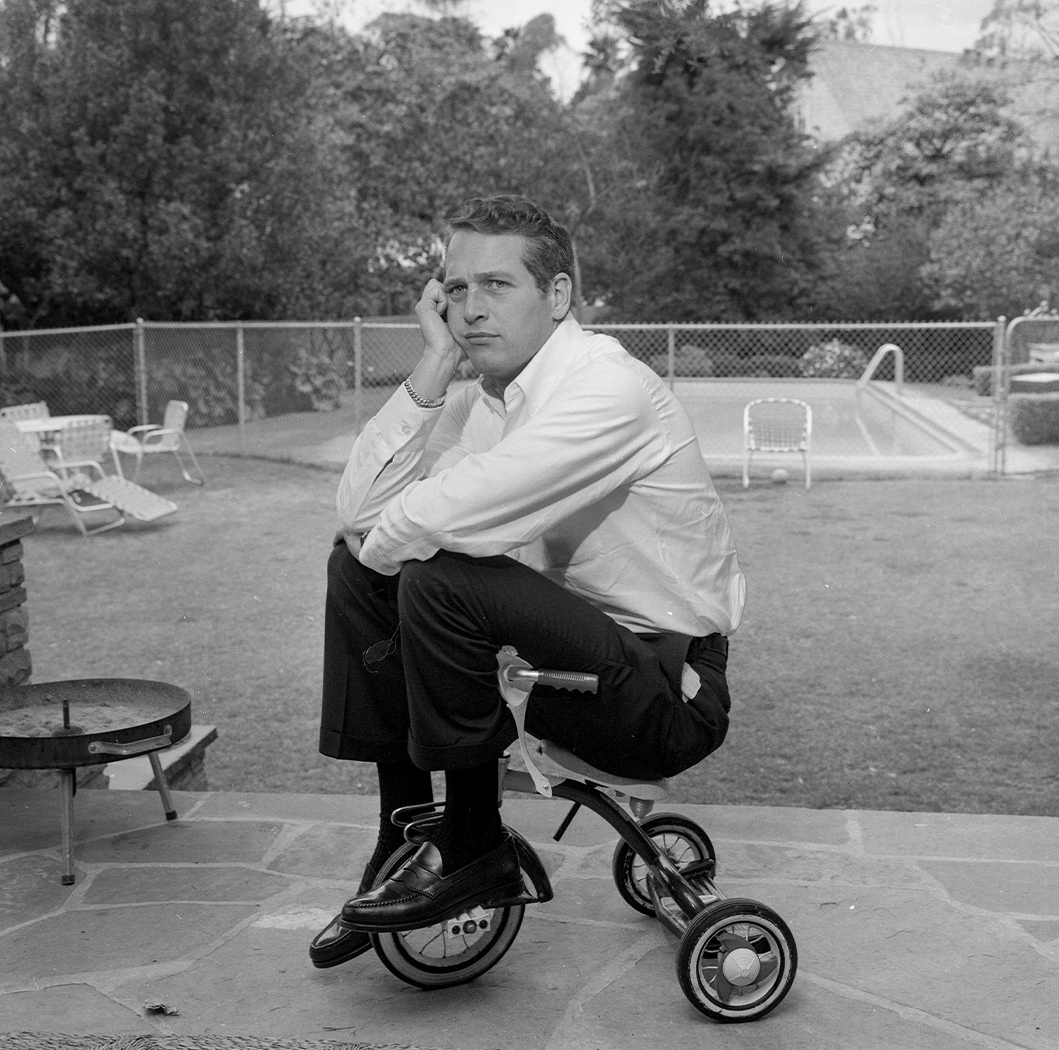
Paul Newman wearing loafers outside his home in Beverly Hills, 1962. |
Sitting at fashion shows in Paris sounds all well and dandy, but it's not the only thing that happens during the fashion season. Alongside the much-hyped runway spectaculars by the big brands are countless showrooms offering appointments all over town to see casual clothing, tailoring, and accessories across the spectrum of men's style. These, for me, have the distinct advantage of getting up close to the goods, feeling the quality. You also get to talk to the people who make them. And for those of us professionally invested in the way men think about clothes, listening to the people who make them is every bit as important as looking at them. One such encounter this time around was with my old mate, British shoemaker Tim Little, who joined the storied but slightly moribund shoe brand Grenson (established in 1866) as creative director and CEO in 2005 and lit a fire under it. In 2010, Little bought the brand and revitalized it on a carefully balanced diet of fashionability and bulletproof, old English shoemaking. |
|
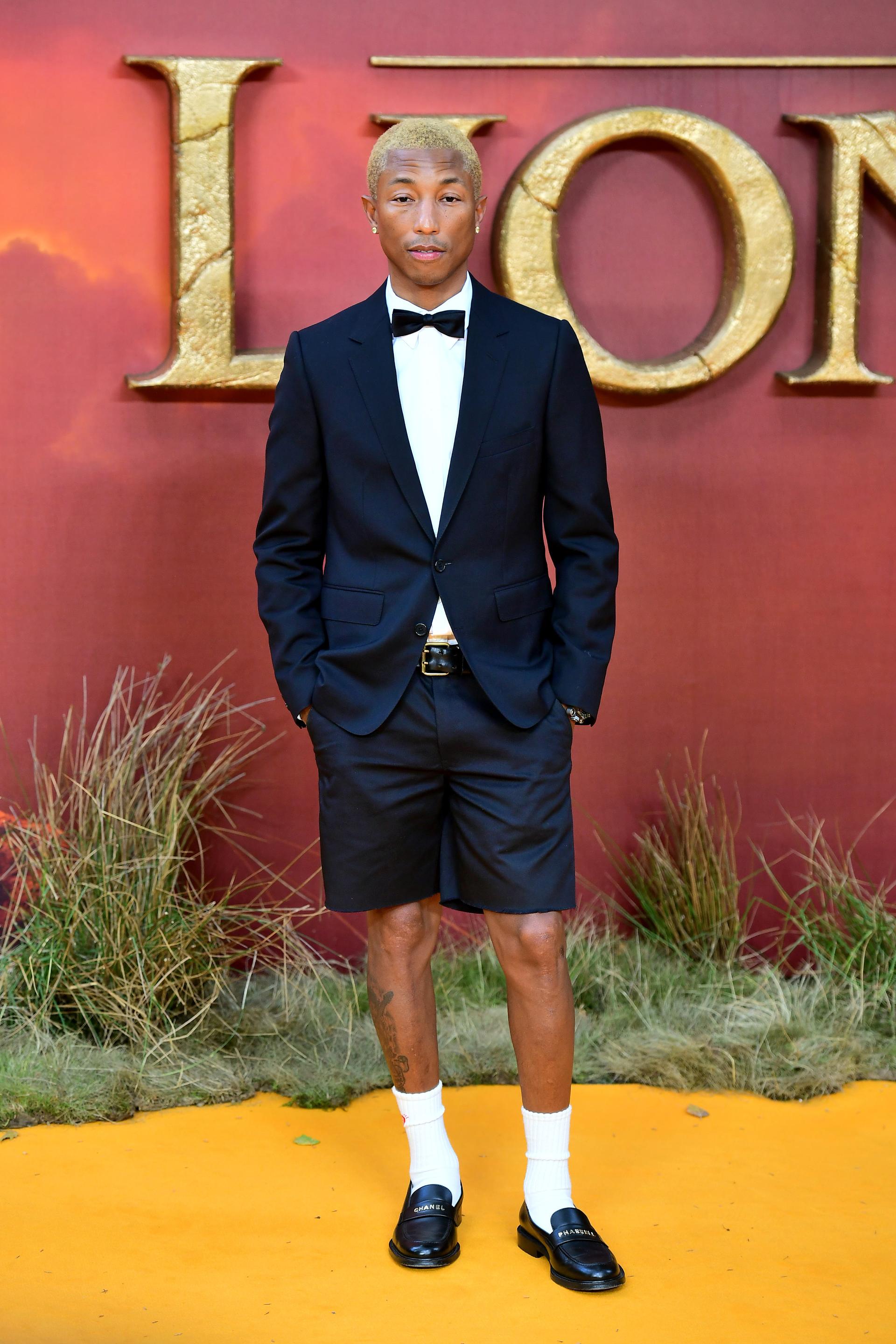
| Pharrell Williams rocking custom Chanel Loafers at the premiere of The Lion King in 2019. |
"About 18 months ago we noticed the big fashion brands started to delete sneakers from their runway shows." he told me over a steak au poivre at our seasonal and very unfashionable haunt in Bastille one night. "At the same time, we started hearing from our retailers that our youngest customers were bypassing sneakers in growing numbers and asking what they could get for their budget that—specifically—wasn't sneakers." Trends have their lifespan, of course. For Little this was something else. "I think it's also partly fatigue" he told me. "As if that younger generation has grown tired of the endless drop culture in sneakers and maybe even a sense of nostalgia for a time—at least in their minds—when style wasn't constantly being shilled at them. Buying shoes that will last past six months is an appealing way to escape that endless fast-fashion cycle." |
|
|
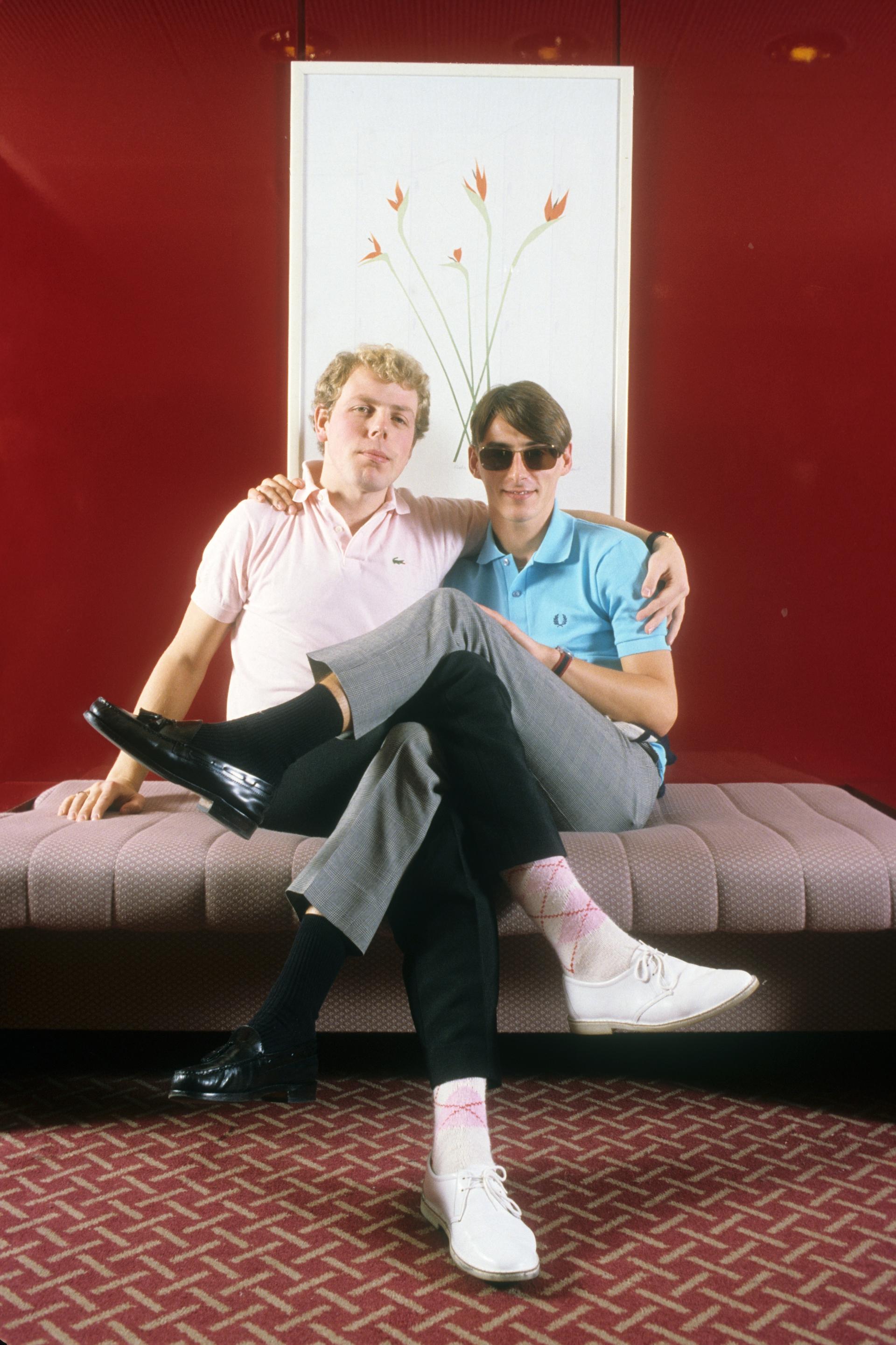
Paul Weller (right) rocks loafers alongside his Style Council bandmate Mick Talbot in Rome, 1984. |
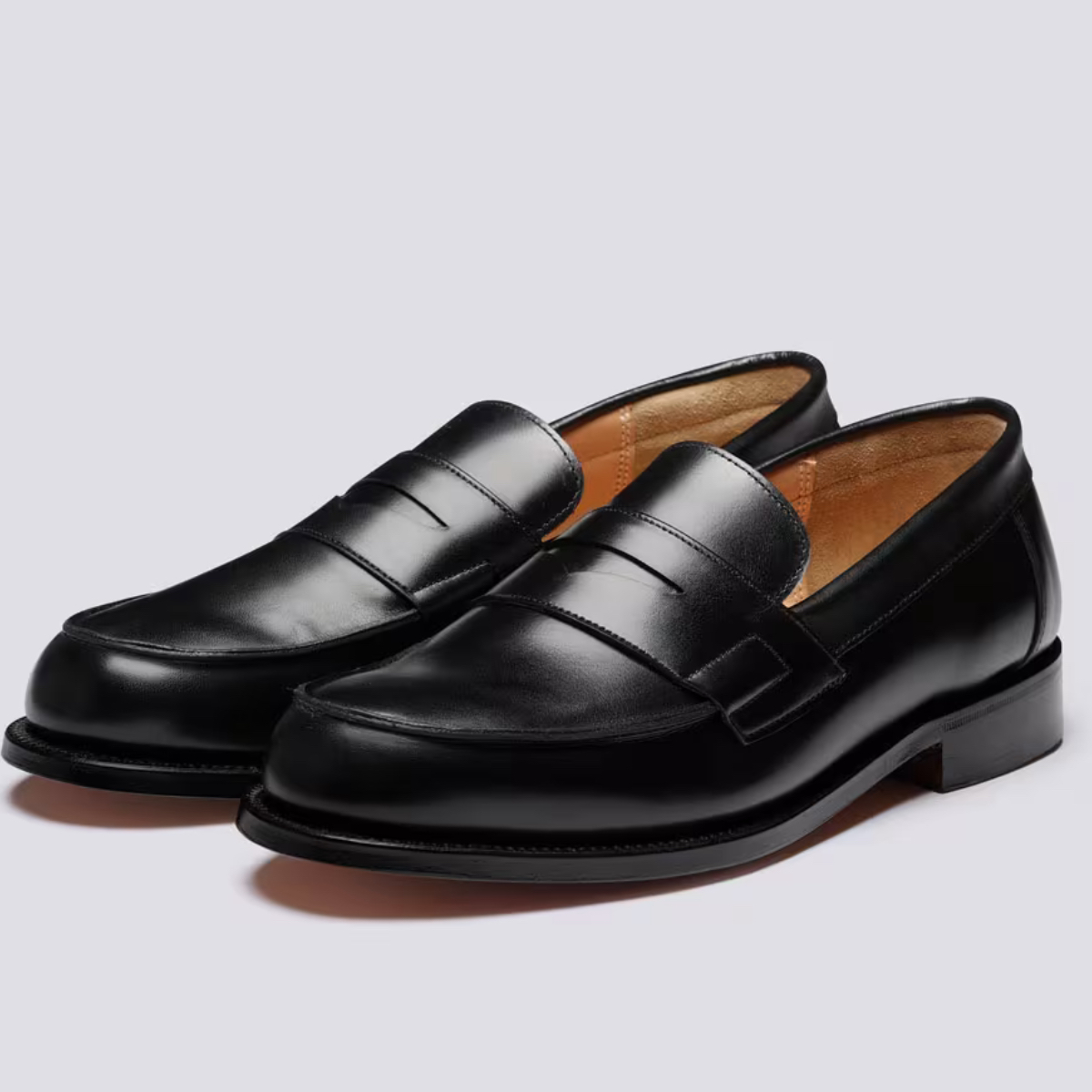
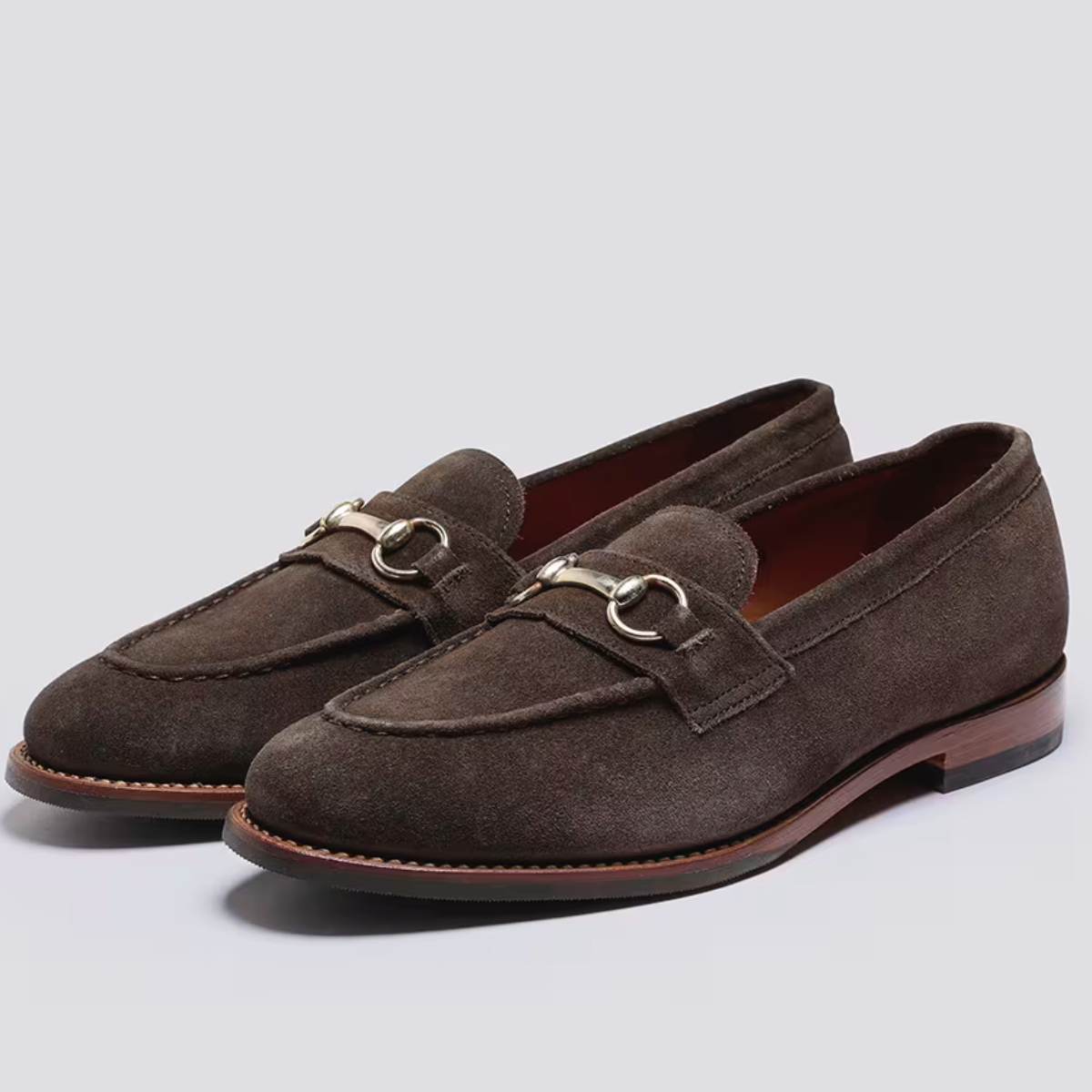
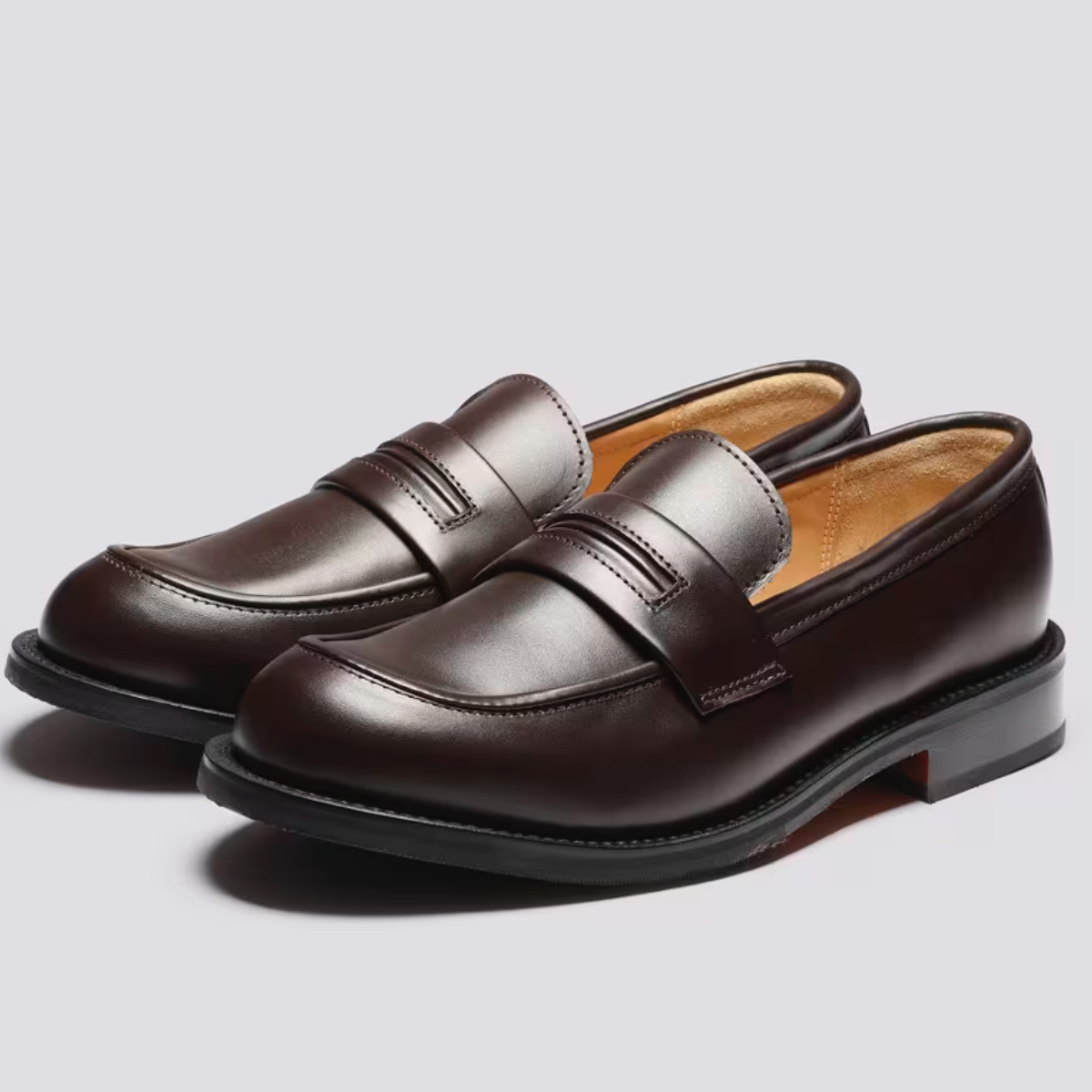
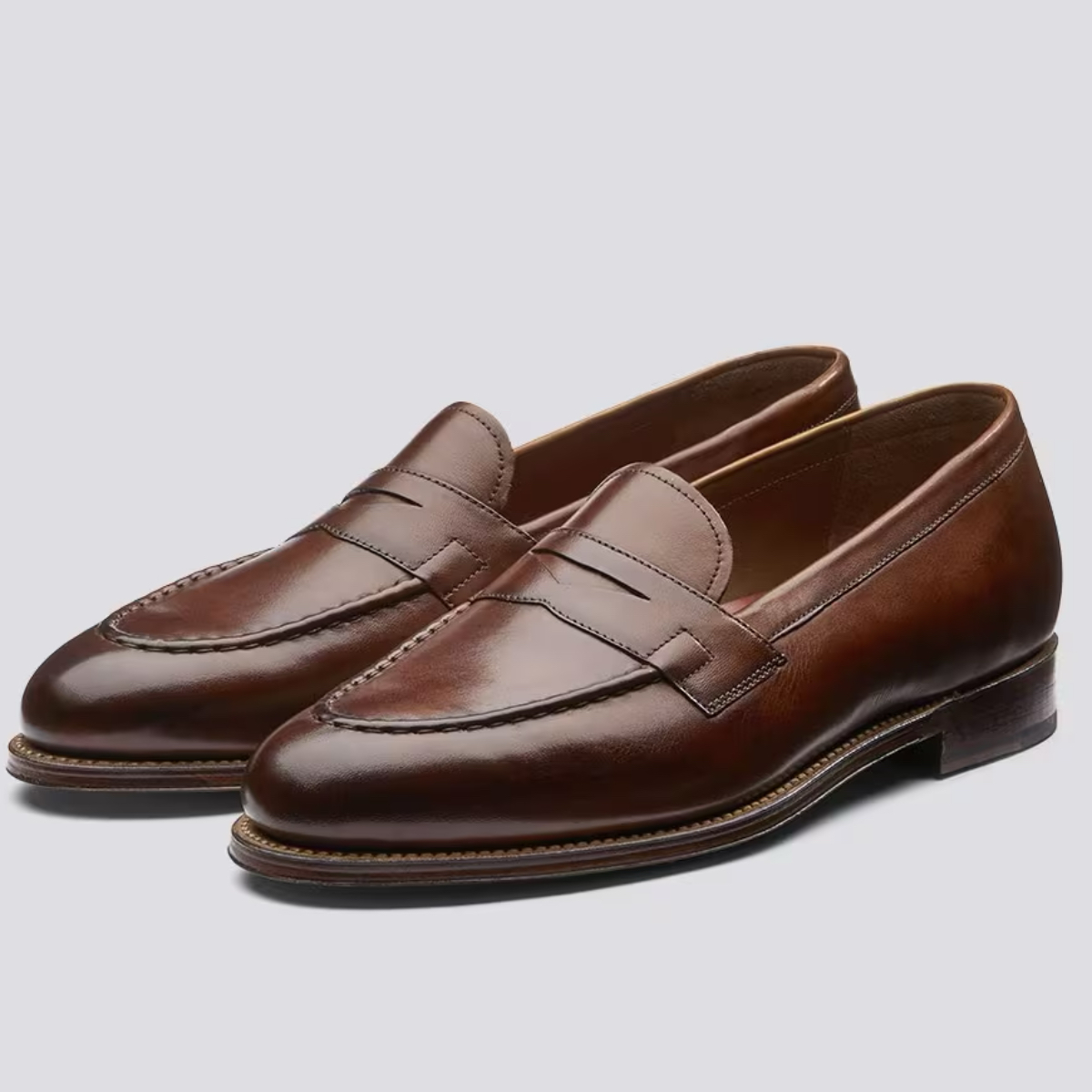
Since those first indications, Little has seen a rapid rise in sales of one kind of shoe in particular, the loafer, which Grenson offers in several styles. "While our generation might look to the '40s, '50s, or '60s for classic loafer inspiration," says Little (whose own son is 26), "the younger customer is asking for styles that were particularly hot in the '70s and '80s—slim, thin soled, often tasseled, and, above all, easy on the feet." Comfort is key. The reason loafers caught on in the 1930s and 1940s in the first place was that they were the most comfortable semi-formal shoe you could wear. But it's also a generational shift. Young people in their 20s have fathers in their late 40s and 50s who also embraced fashion, casual luxury, and particularly sneakers. "At some point" says Little, "their dads stopped dressing up for work, stopped dressing up at all, and now loll about the house or go to the pub in casual sportswear. It doesn't really matter if its polyester or cashmere. What 20-year-old in his right mind wants to emulate that?" |
|
|
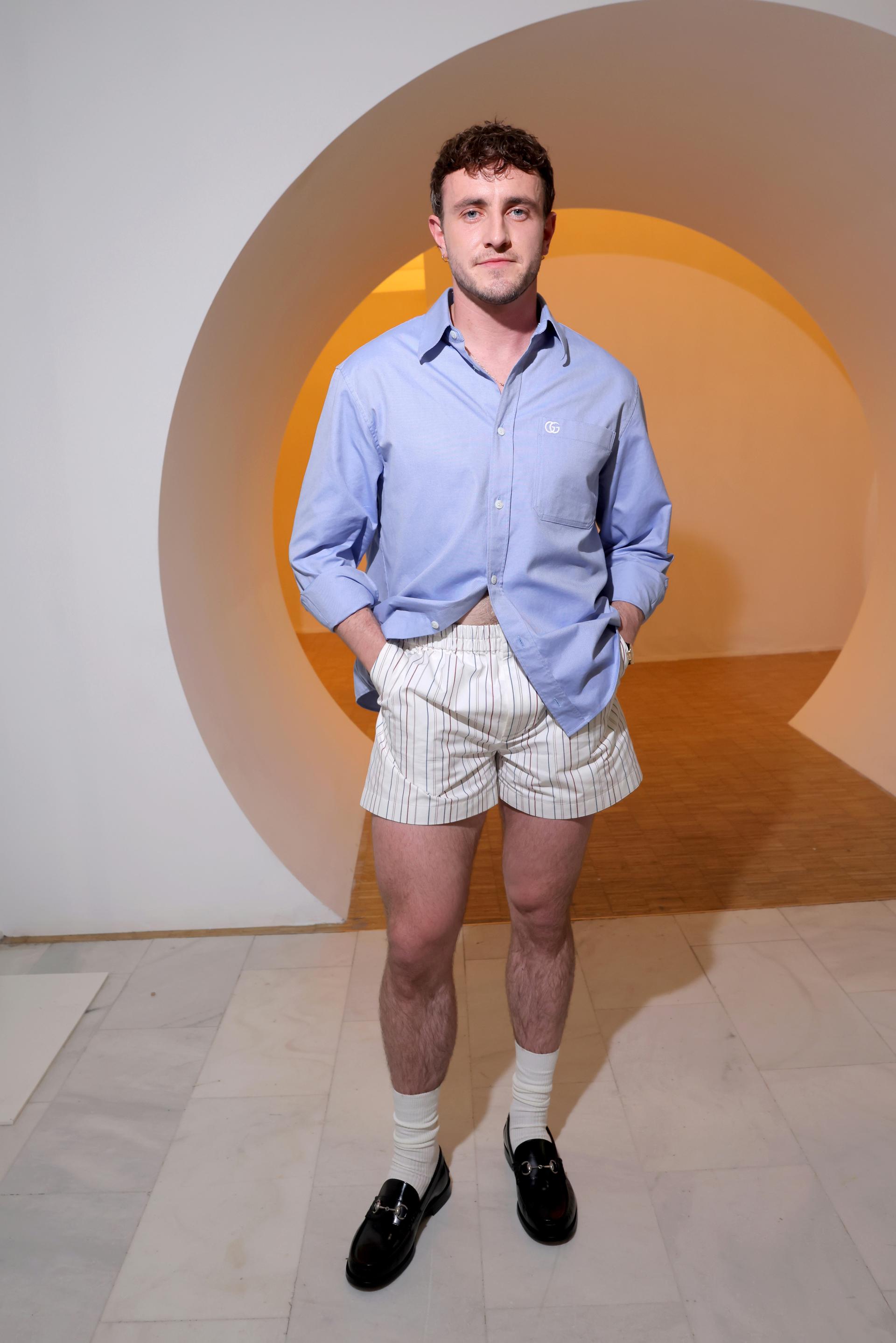
The Paul Mescal photo that shook the world in 2024, featuring Gucci's horsebit loafer. |
For Little, the shoes are an integral part of an evolving hybrid aesthetic that few over the age of 25 could reasonably pull off. Which is precisely the point. "Those kids are buying tweed jackets in thrift stores and wearing them with tracky bottoms [the British word for sweatpants] cut a little shorter, and with white socks that deliberately focus the eye on the shoes." "I don't think our customers are going to abandon the sneaker altogether," says Little, "it's too ingrained in the culture. But if it means some of our customers graduate from the loafer to other fully constructed shoes like our trademark five-hole brogues, that's no bad thing. Because it means they're investing in their shoes for the long term." That's something we should all get behind really, even us track-suited dads. Just don't tell the kids, okay? |
|
|
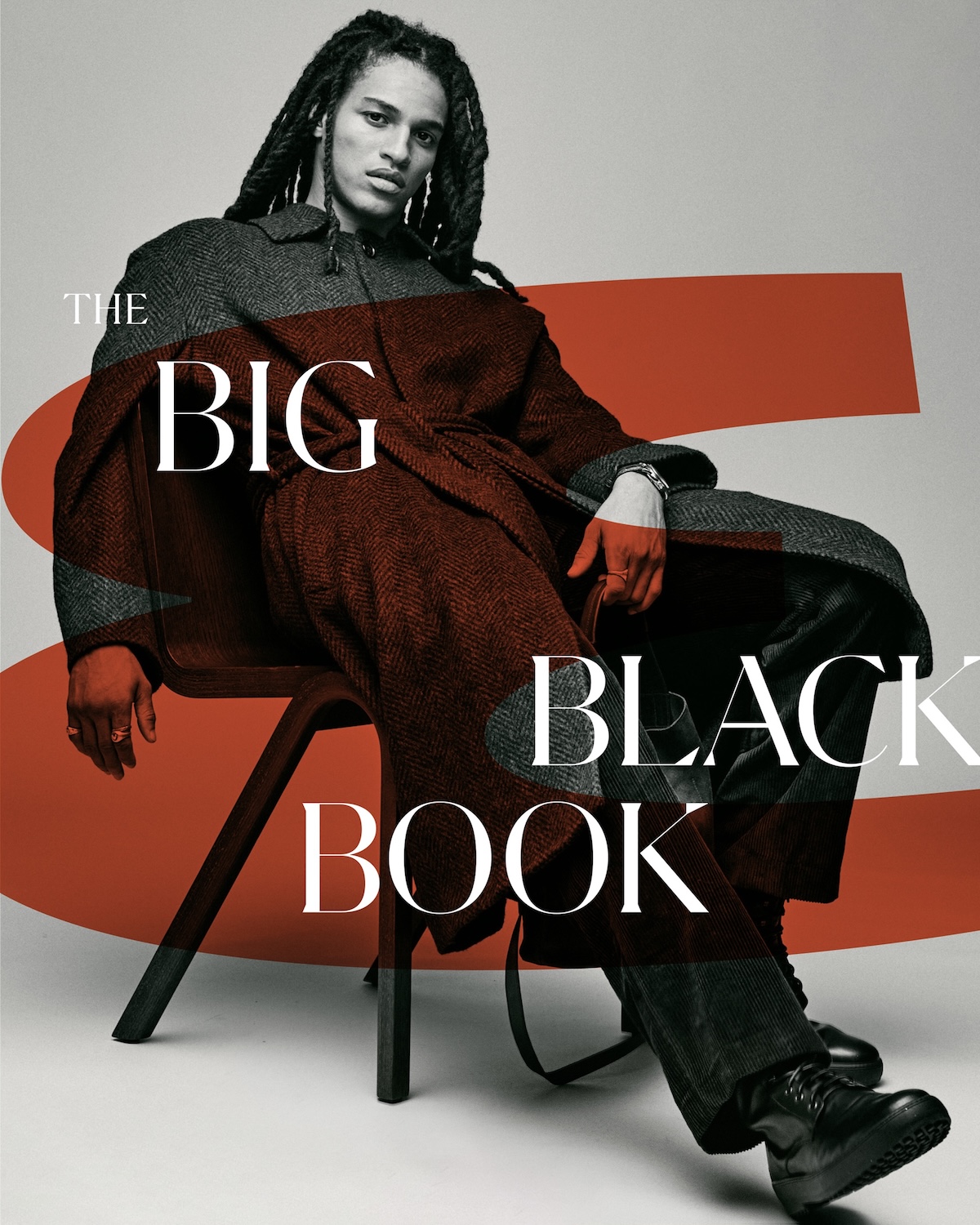
Thanks for reading this week's Big Black Book newsletter. See you in a couple weeks. Until then, feel free to drop me a note at nicksullivanesquire@hearst.com. - Nick Sullivan, creative director |
Did someone forward you this email? Sign up here. |
|
|
|






No comments:
Post a Comment