The Lost Art of Writing a Note by Hand |
If you want to make an impression, put it in a letter. |
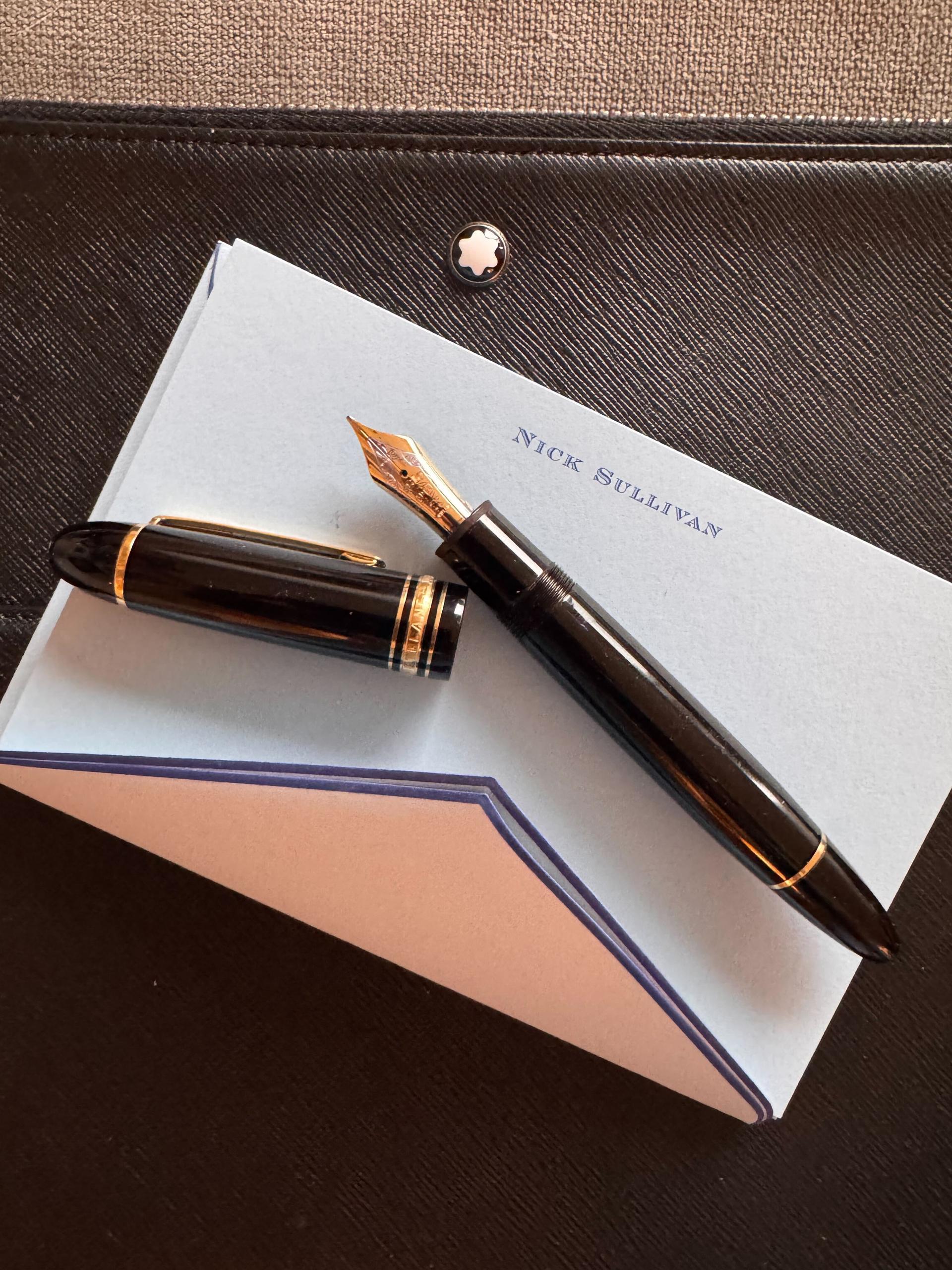
The tools of the trade: pen and paper. |
There are so many digital platforms through which we interact these days that it's hardly surprising that we've nearly forgotten the most memorable way of all to communicate: with pen and paper. A CBS News poll conducted in 2021 found that less than a third of Americans had hand-written a single personal letter in the previous five years, while the National Literacy Trust last year revealed voluntary creative handwriting among school-age children declined a shocking 61 percent from 2010 to 2024. You don't need statistics, however, to know that handwriting as a form of human expression is on the way out. All you have to do is look in your mailbox. Amidst all the bills and unwanted flyers, take out menus and daily shit, a handwritten letter is, increasingly, as rare as proverbial rocking horse poo. There's one way to remedy that: Start writing letters. Thank you notes, love letters, poems if you dare; give and ye shall receive. It's a good habit to get into. This requires three things: pen, paper, and time. As anyone who has ever written a good ransom note knows, writing something meaningful requires engagement, effort, and, frequently, practice. Making your thoughts clear on paper doesn't always come easy. But the effort is precisely what makes it an expression of thoughtfulness. And unless you have something particularly unpleasant to impart, such a note will not only be received with gratitude but remembered too. Best keep to the good news. |
|
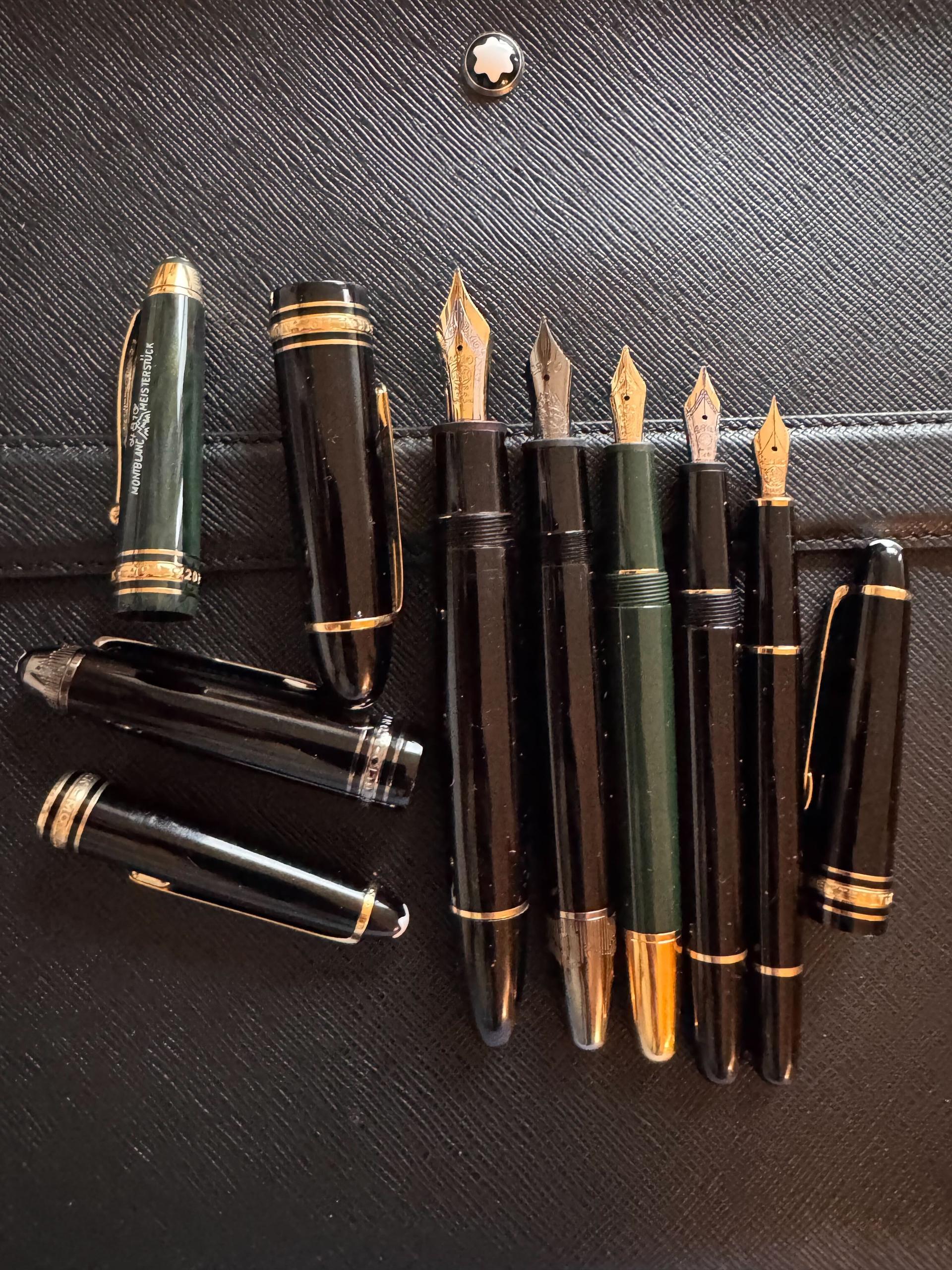
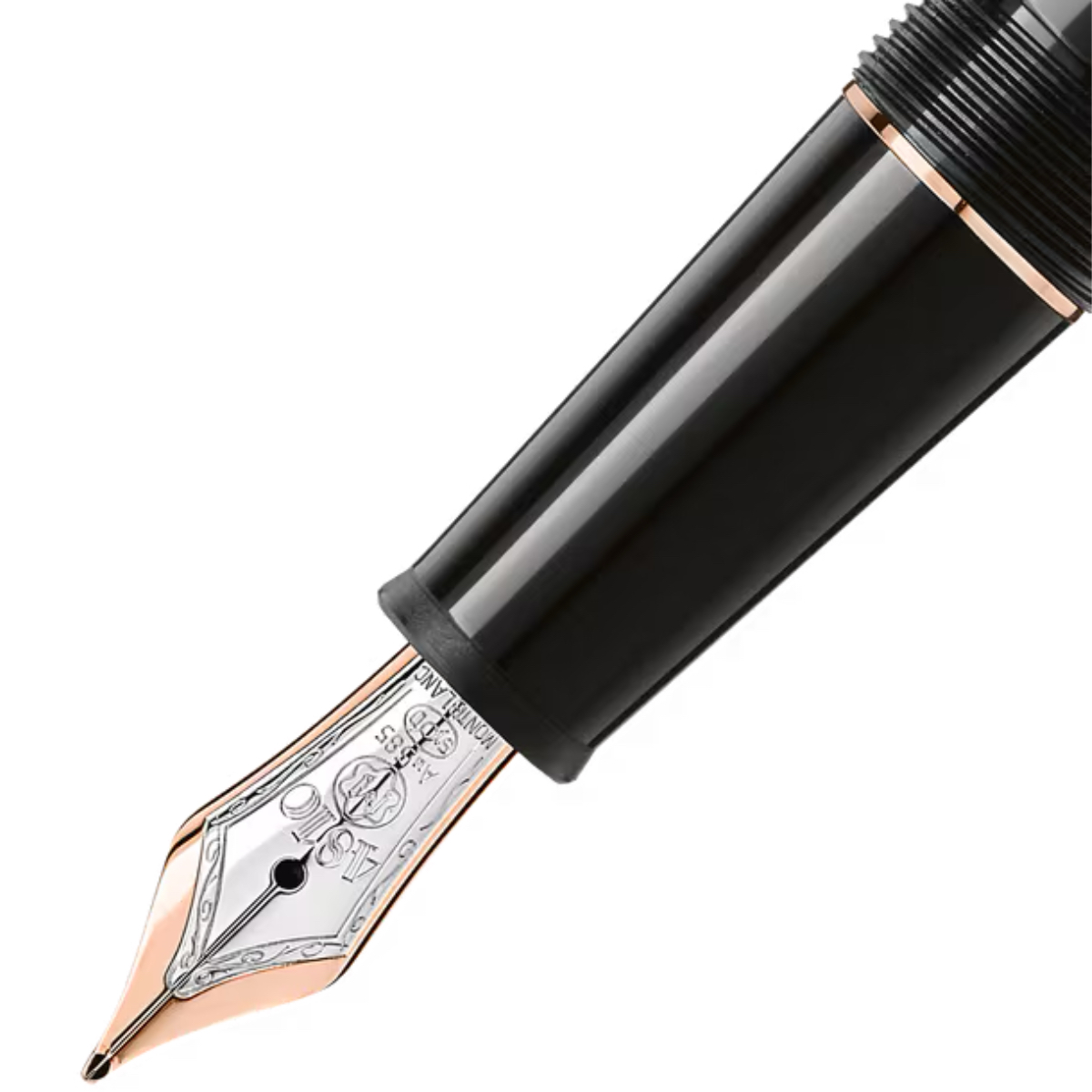
| A few of the author's Montblanc pens. |
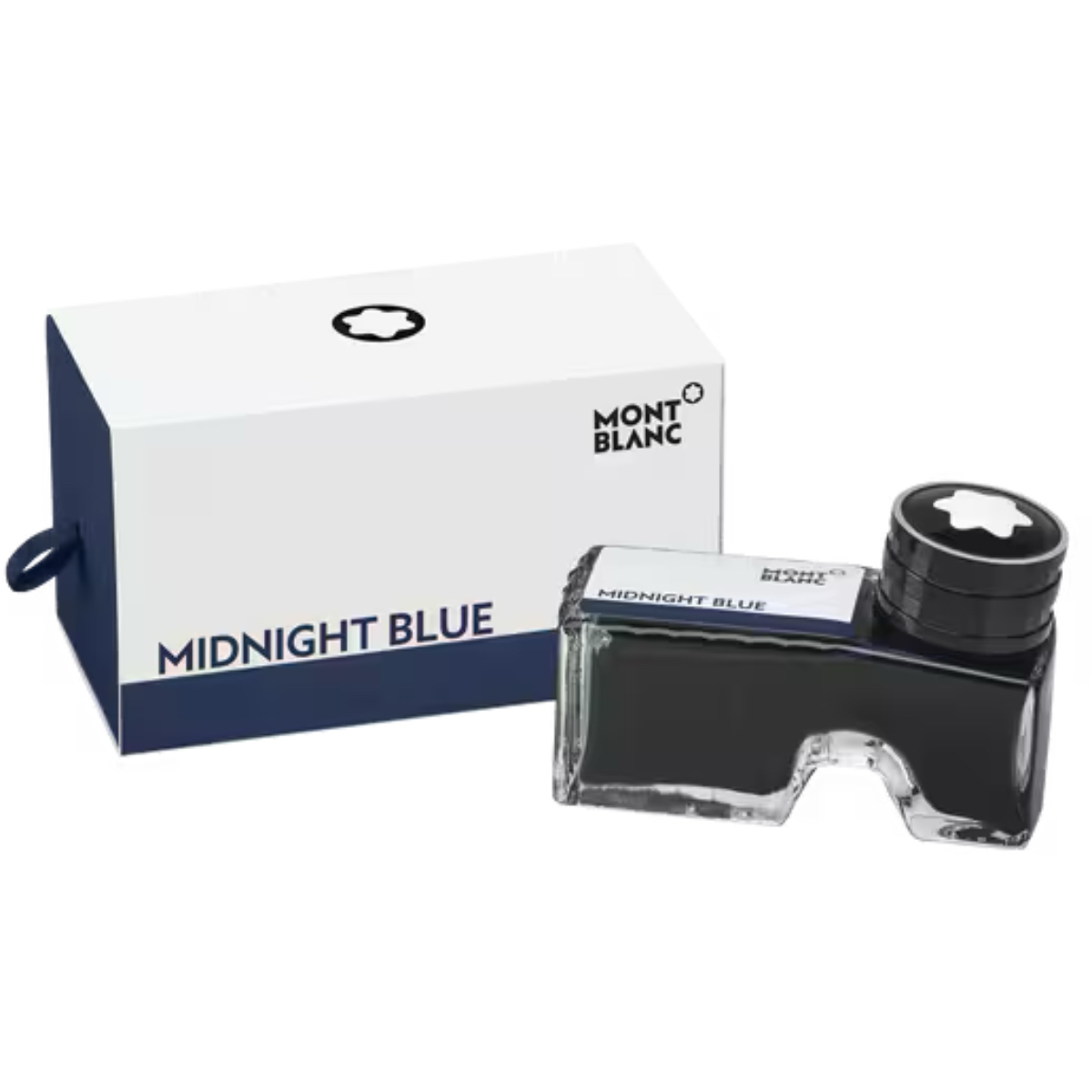
You can of course write a letter in just about any form of ink using any kind of pen. But if you really want to make an impression ditch the sharpie and buy yourself a proper fountain pen. A good one is expensive but, properly used and maintained, it will last for years. I've used a fountain pen since middle school (this was not, FYI, in the 1930s) partly because they make my writing far more legible. Your own handwriting may have the crabbed scrawl of a doctor's prescription, but a good fountain pen can work wonders to tidy things up. You may never wind up with the graceful arabesques of a master calligrapher, but that gold nib and the even flow of ink will certainly encourage you to raise your game. I'm an unashamed Montblanc nerd and I've owned the brand's most famous pen, the Meisterstück, in various sizes—from the teeny tiny Mozart all the way up to the jumbo Le Grand, a pen with the heft and the gravitas of something expressly designed for signing international peace treaties—over the years. According to company legend, the Meisterstück was created in 1924 in response to customers asking for a refined "Sunday-use" pen. Even back then, they knew it was special. For me, what makes the Meisterstück special is the original Montblanc technology that delivers ink from pen to paper in a continuous—and generous—capillary flow. It's the science that makes all fountain pens work, but some pens work better than others. I've tried quite a few brands over the years, but Montblanc always delivers. Without even having to press down on the paper, a consistent liquid ribbon of ink (in my case navy blue) glides effortlessly onto the paper. Sure, other pens can do that. Kinda. But without any of the refinement. Sharpies, you might say, are the sweatpants of stationery. |
|
|
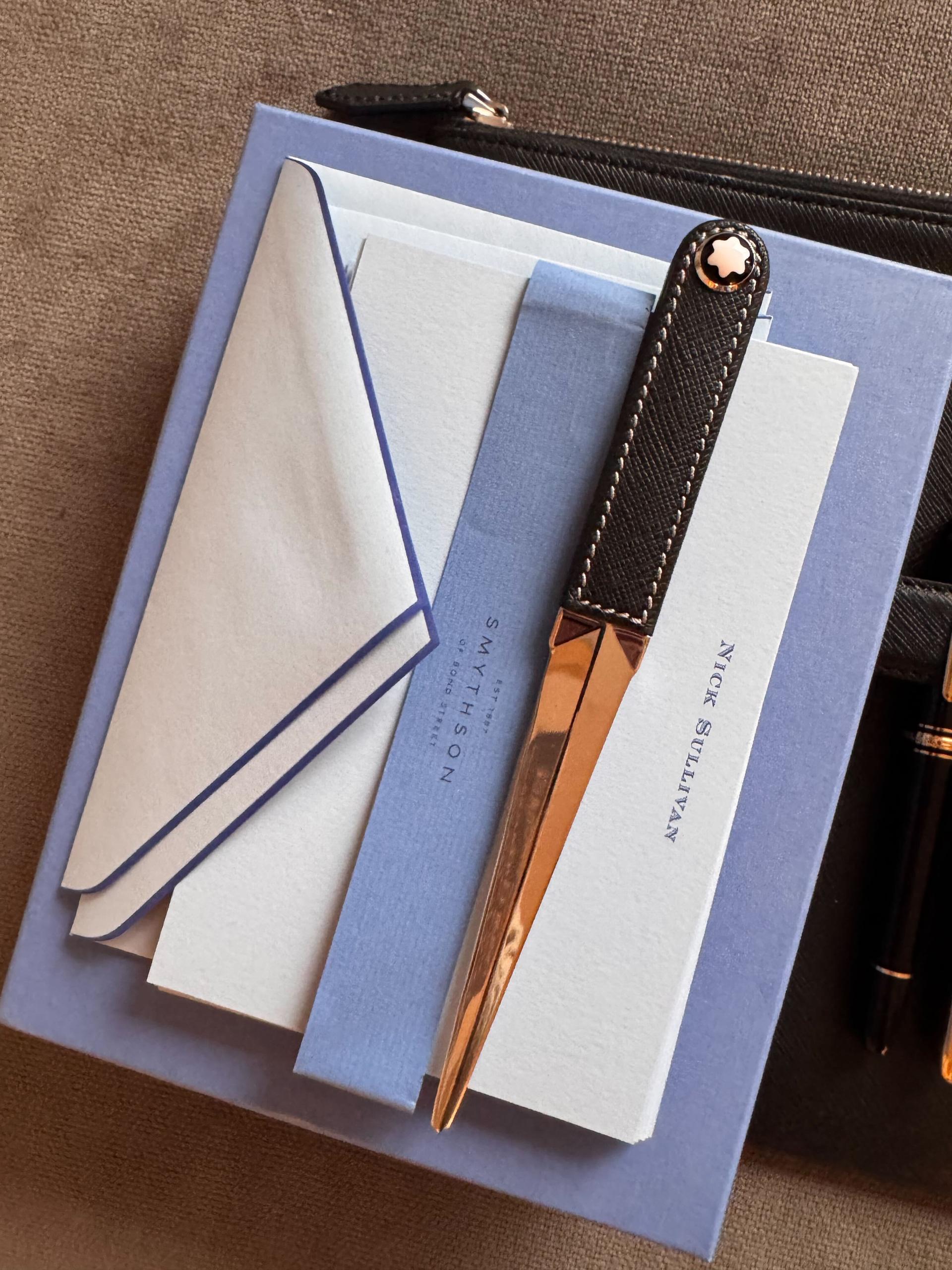
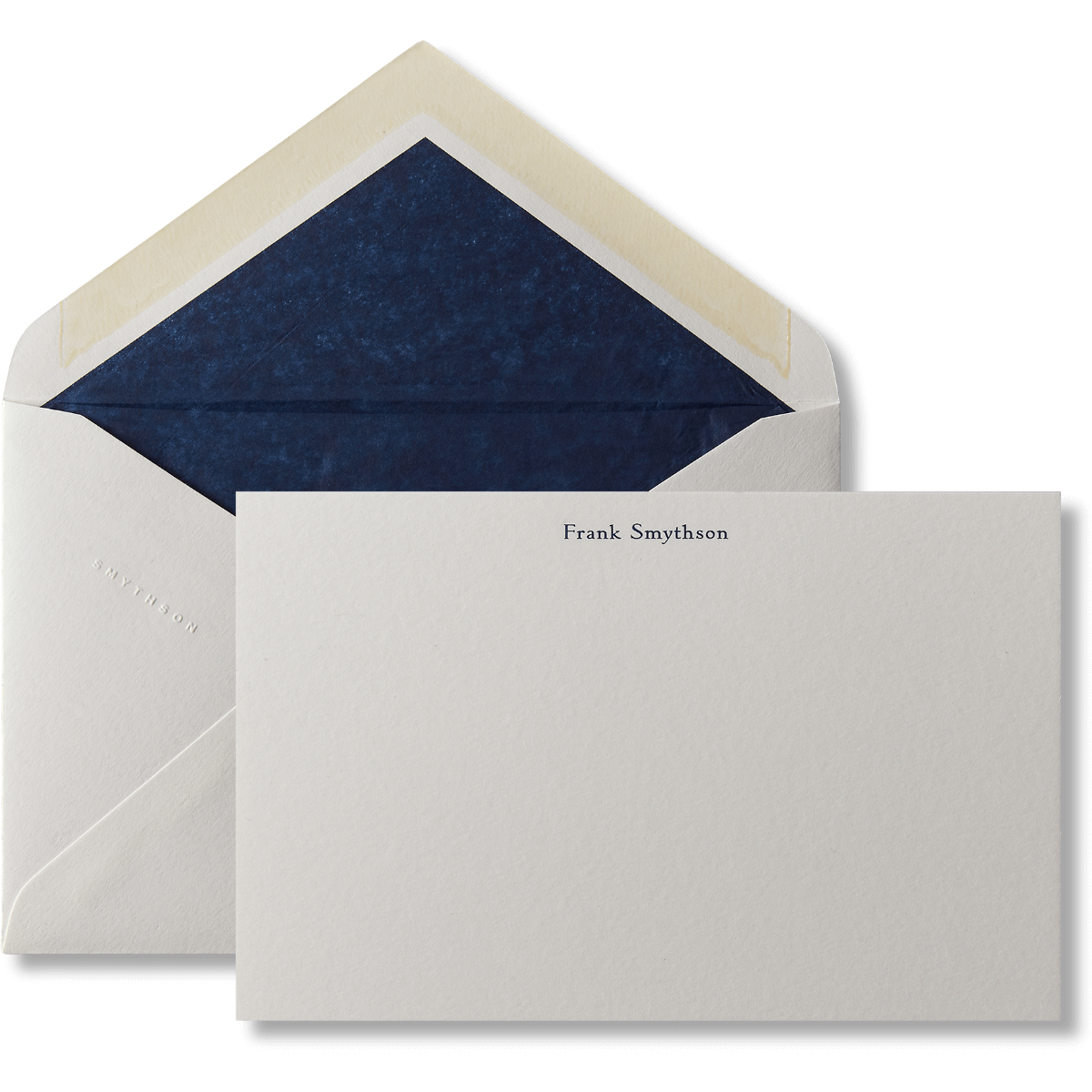
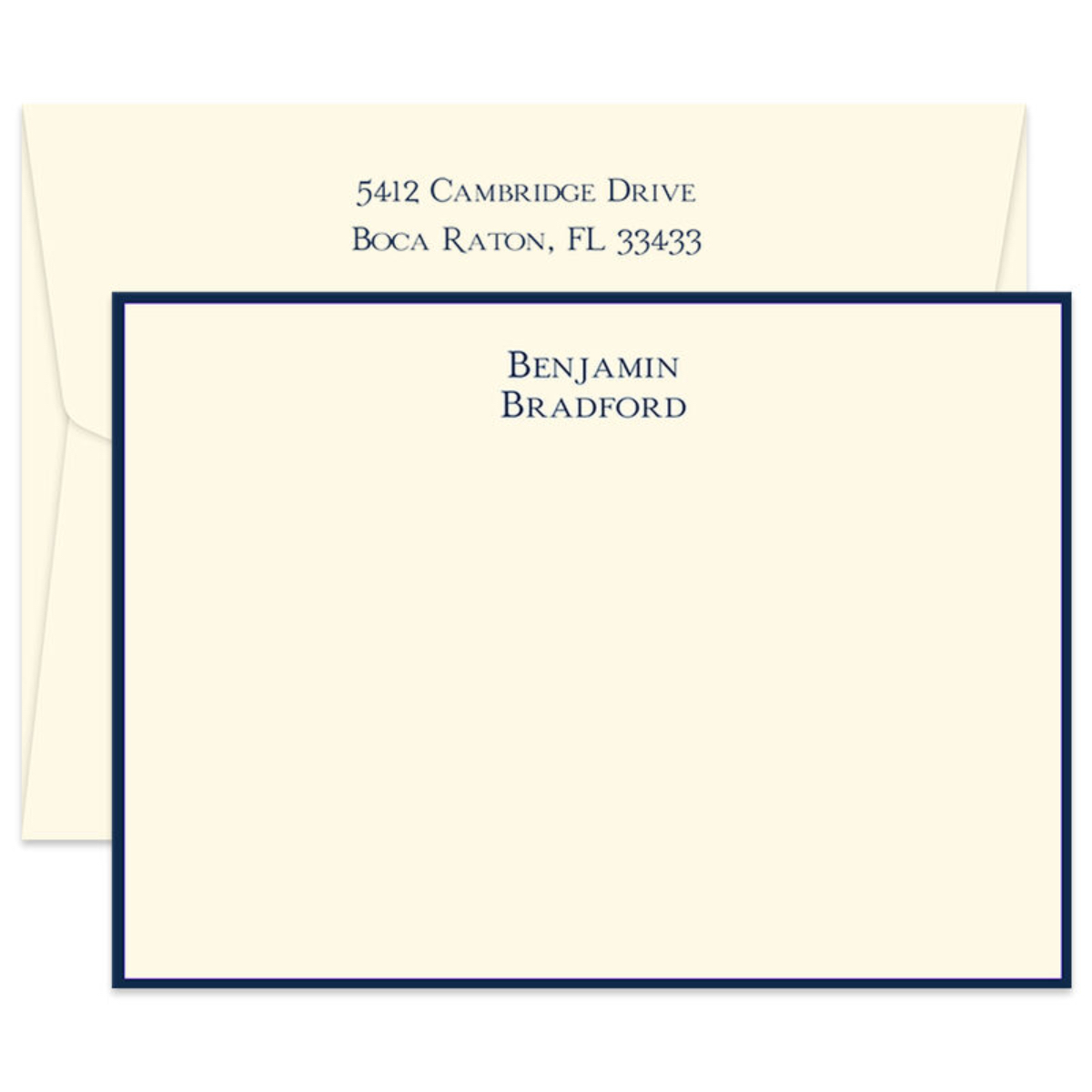
Personalized correspondence cards aren't strictly necessary, but they're certainly nice to have. |
The yang to the yin of writing with a fountain pen is, of course, the paper you write on. I prefer my stock of correspondence cards from the Rolls Royce of stationers, Smythson of Bond Street. For added visual impact, you can try the brand's Imperial Correspondence Cards in a strong Nile Blue (with matching envelopes), a lighter Bond Street Blue, or in subtler White Wove or Ermine White. You can choose from a host of other colors and use an online configurator to add more details. It's not cheap. The price starts at about $350 and ramps up with more added options. But there are, thanks to the internet, more affordable online resources for this kind of thing, like The Stationery Studio, which will emboss or print fancy raised ink letters on triple-thick stock in ivory or white. With matching envelopes (25), the cost is around $50. If you want to go really fancy, opt for tissue paper lined envelopes, edge trim, and have your home return address printed on the flap. As with Smythson, these add-ons up the cost. Then comes the hard part. Writing. And, as with all expressions of good manners, it's vital not to over play it. Keep the sentiments light. A sense of nonchalance is key. Sealing wax is performative and best kept for your kids' school history projects. Don't mail a card then text the addressee to ask if they got it yet. All that will do is ruin the surprise. |
|
|
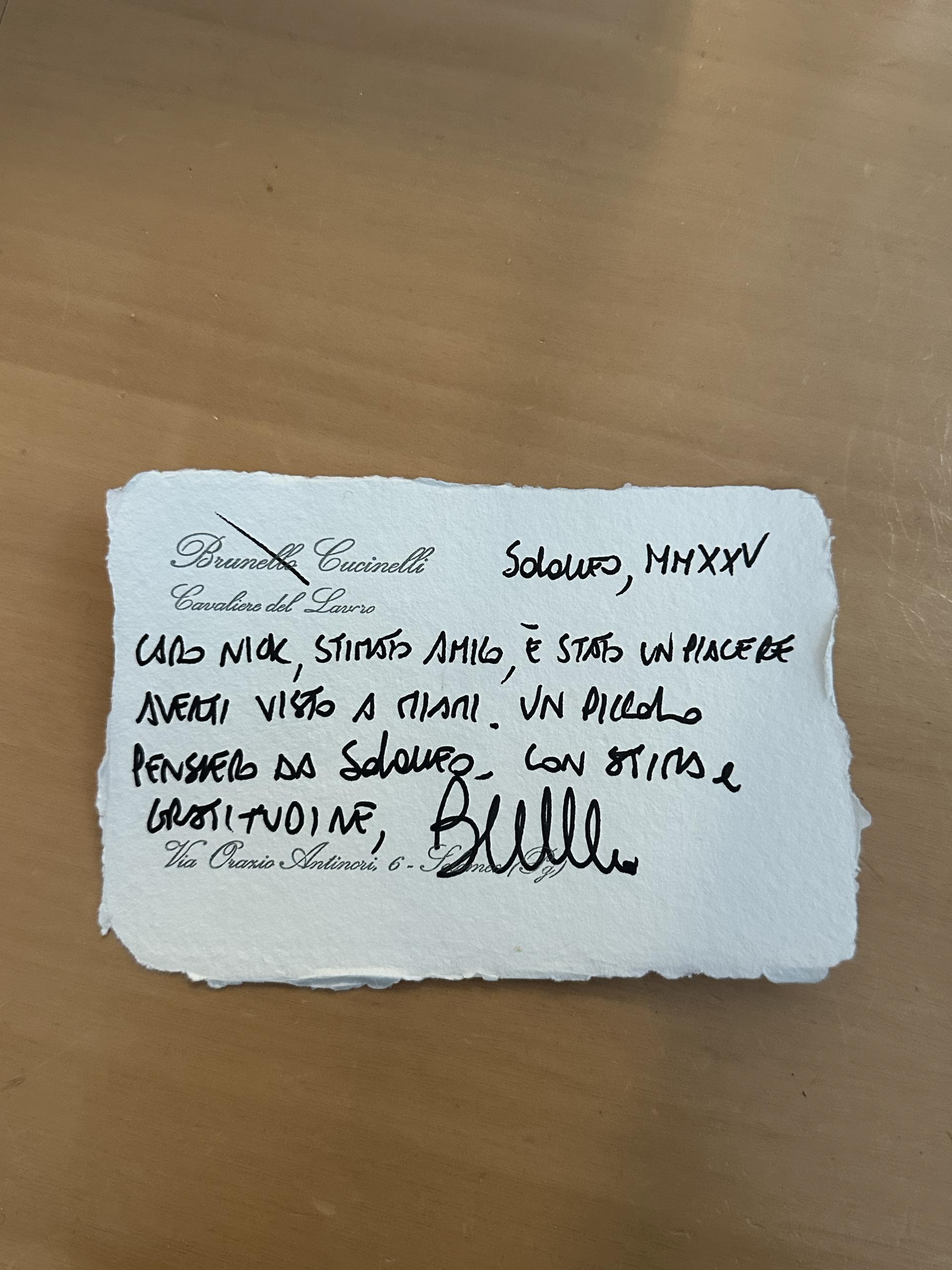
The slash through the name at the top? That's intentional—and something worth emulating. |
Look at it this way; to be remembered and appreciated for something is a pretty good reason to do anything. Random and unexpected acts of kindness, played with a cool hand, are the number one way to favorably impress loves, friends, and relations, even work contacts. And if you really want to charm, when you're done writing, strike out your name (the printed version on the top of the correspondence card, that is) with a simple slash mark from the same pen with which you wrote the note. Coupled with your first name only as a sign off, it's said to convey intimacy. But it also reinforces the personal, cordial nature of the note. Job done. |
Thanks for reading this week's Big Black Book newsletter. See you in a couple weeks. Until then, feel free to drop me a note at nicksullivanesquire@hearst.com. - Nick Sullivan, creative director |
|
|
Did someone forward you this email? Sign up here. |
|
|
|






No comments:
Post a Comment