With just a few essential—and affordable—tools, you can keep your clothes, shoes, and accessories looking better, longer. |
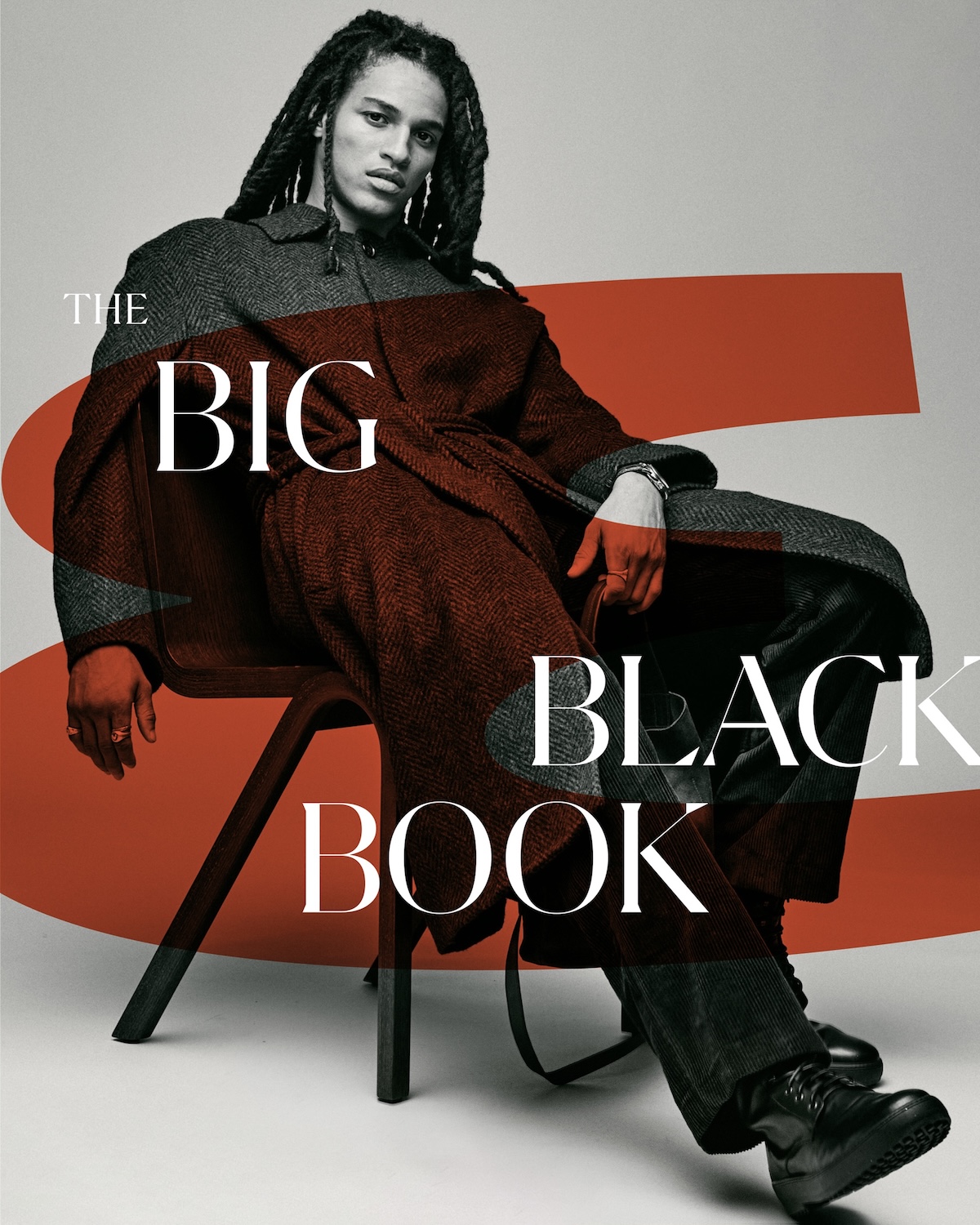
Once you've got your wardrobe sorted like this fellow here, you need to learn to care for it. |
Clothing don't look after itself. Maintaining your wardrobe—rather than let it go slowly to rack and ruin—is all about timely care and having the right equipment. The more you have invested in your clothes, shoes, and accessories, the more vital it is that you take time occasionally to clean and rejuvenate them. Sure, you can farm your clothes care out. Send your suits to the dry cleaner. Send your shirts to the laundry—and even have them hem your pants or sew on a missing button. But learning to fend for yourself can save time and money in the long run and even give you a sense of achievement and independence. Most of the things you need won't break the bank but, used regularly, will give your stuff a longer functional life. Plus, the level of commitment is up to you; you can embrace clothes care wholeheartedly or find your level to suit your lifestyle. Either way, your clothes will thank you. Let's start with the basics. Tailoring Here's something you may not know: Your suits and jackets do not need to go to the dry cleaner regularly (unless you are blessed with slobbish tendencies or sweat a lot). Some would argue that all you need, most of the time, is a stiff clothes brush like British brush veteran Kent's CC20 double-sided clothes brush, which has stiff, natural (often ethically sourced boar) bristles on one side and softer ones on the other. With your jacket on a hangar or lying on a flat surface, start at the top with short, brisk strokes. Use the stiff side on more rugged fabrics like tweed, the softer side on finer wools. |
|
| The Kent CC20 double-sided clothes brush. |
A sturdy, shaped hanger, even the plastic one your suit or jacket came on, helps to maintain shape at the shoulder in storage and, given its form, will dissuade you from cramming your tailoring into too small a space. There's one caveat: Moths like dirty clothes. If you've ever discovered holes in your jacket or pants, the chances are they are in the crotch, the armpits, or near pockets. An occasional, once-a-season dry clean can help on that front. In between, there's always steam. Tip: There should be a name for the annoying screeching noises clothes hangers make on racks. But there isn't. A fashionista friend of mine had the rails of her dressing room clad in deerskin leather to solve it. It's worth considering. | |
|
Shirts, Tees, Underwear, and Socks The basics only require regular and frequent washes. They don't last forever. That's life. Dress shirts benefit from pressing with a good iron (see ironing below), but some thicker cottons actually look better a little crumpled. The rest can look after itself until it's time to replace them. Tip: I know a man (not me) who presses his socks. But he's strange. Don't be like him. Shoes Shoe trees seem precious, but they do prolong the life and preserve the shape of your shoes. Fancy shoes often come with shoe trees when you purchase them. But if not, you can buy cedar shoe trees, like these. They're hinged for ease of use and expandable to several sizes. You could store all your shoes on shoe trees, but it's really not necessary. Instead, slip them into your shoes just after you've worn them. The heat and moisture from your feet will dissipate and your shoes will shrink back to the size dictated by the tree. The cedar has a natural woody fragrance that deters moths in your wardrobe. After a day or so you can remove them. Which means you don't need shoe trees for every pair. But two or three are a good start. |
|
|
Quality Shoe Trees' adjustable, hinged shoe trees. |
For maintenance all you really need is a robust shoe cleaning kit. Look for tins of dark brown and black shoe polish plus leather conditioner (also good to freshen up leather bags) plus some decommissioned T-shirts cut into squares. The Rolls Royce of shoe cloths is chamois cotton (I like this one from Cobbler Union) for applying the polish. You'll also need two shoe brushes, one to remove dust at the start and another to get up the shine at the end. Suede is the cashmere of footwear, requiring extra care. Todd Snyder stocks a suede shoe kit by Jason Markk that's worth the extra spend if you're a suede fan. Tip: Lovers of patination in the leather of their shoes sometimes use black polish on their brown shoes to deepen the patina in and around the seams. |
Cashmere Cashmere is special. That's why it costs a lot. Refer to the Big Black Book's Cashmere Confidential here for more inside intel, where you will learn that cashmere craves water. Which means you should wash it regularly (ideally) in a Miele or Siemens or other washing machine with a dedicated wool cycle that's specially geared both in temperature and spin speed to protect delicate fibers. These are expensive and may not be an option. But always use a delicate cycle and never—never—put knitwear in a tumble dryer. Lay it out instead on a towel in a warm dry spot, turning it over after a day or so. Washing freshens up cashmere knits and dissuades moths. But it takes effort and time. |
The Philips GC026/00 lint shaver. |
|
|
With almost all knitwear, pilling is a fact of life. Better cashmere pills less, cheap cashmere pills a lot, because expensive cashmere has longer fibers that don't pull out as easily. Either way, the solution is a Philips Lint Shaver (GC026/00), which runs on two AA batteries and gently removes those unsightly pills. Bear in mind that if you have spent $99 on your cashmere sweater, there's every likelihood that there's not much of it to start with. So go easy with the depillar on cheap cashmere. Tip: With cashmere, you get what you pay for. |
|
|
Sewing Kit It may seem like a bother, but learning a few simple sewing techniques—like how to sew a button on a shirt or correct a wayward hem—is a truly valuable skill. You can reduce a sewing kit to a few good quality sewing needles from John James and heavy-duty cotton thread in a few suitable colors from Coats and Clark. Don't rely, except in a crisis, on hotel sewing kits. Invariably, they are stocked with pathetic thread and weedy, easily broken needles that won't get through robust cloths. Add a seam ripper for unpicking a hem when necessary. And small Japanese scissors for snipping excess threads—like these from Yoshihiro Nagashi Hasami—are awesome to look at and to use, and by far the coolest thing in your kit. Tip: Amaze your friends with your new skill by adopting the crow's foot technique for sewing your shirt buttons. You can tell them it's used by high-end Italian shirtmakers. |
Yoshihiro Nagashi Hasami sewing snip scissors. |
Steaming Steam is your clothes' friend. When time is short, a hand-held steamer can work wonders to spruce up a crumpled suit. (Be very careful and conservative in application around the lapels and chest, though, as steam can delaminate the fused materials in less expensive suits.) I used to travel with one without fail but travel steamers, though small and light, generally have small reservoirs for the water. Fine if it's a quick job. For steaming at home, you don't need an industrial scale steamer like the ones we use on Esquire fashion shoots (though they are great). One of the best handhelds—which we use on location—is the HiLife Portable Steamer. It's easy to use, holds 240ml, and most importantly belts out a good amount of steam for about 10 to 15 minutes. |
The HiLife portable steamer. |
If you have unlimited space and a fair bit of cash a number of steaming cabinets are on the market like the LG Styler Smart Wi-Fi Enabled Steam Closet which will steam and deodorize your clothes several at a time. It even has jiggling hangers to help circulate the steam and shake out the creases. It's not cheap, it takes up room, and may (or may not) be a little try hard. But it does work. Tip: Keep the steamer a good half-inch away from direct contact with the cloth to avoid annoying drips. |
Pressing You're either a crumple guy or a press guy. If you're the latter, you probably have an iron and ironing board already. If you're not, they're still a good idea for prepping clothes for a special occasion. Ironing boards are pretty much a dime a dozen, but a good iron with multiple settings for different cloths and steam functions is a must. In our Cashmere Confidential feature, Extreme Cashmere's founder and creative director Saskia Dijkstra recommended the Tefal Express Anti-Calc GV7450, which is an iron on steroids, able to deal with all manner of materials. Tip: Let your iron get good and hot on the right setting and test it on an inconspicuous place. Finally, here's another styling tip from the Esquire team. Keep a stock of quarter-inch wide rubber bands handy. For a special, dressier occasion, you can use them as sleeve garters by slipping them over your shirt cuff, so they grip your wrists but are hidden up your jacket sleeve. They keep those cuffs peeping out at just the right spot without the need to tug at them. P. S. Want to chat about this story—or anything else? Email me at nicksullivanesquire@hearst.com. |
Did someone forward you this email? Sign up here. |
|
|
Into indie watch brands? British watch brands? Swiss-made watches? All three? Well I've got very good news for you. Read it here. If you're on the hunt for a bag that'll get you compliments everywhere you go, Esquire style director Jonathan Evans found one. Kyle MacLachlan holds forth on Brunello Cucinelli, learning about social media from the younger generations, and getting back into fashion. And, of course, the five coats every man should own.
|
|
|
|








No comments:
Post a Comment