The Power of Challenging Your Preconceptions About Watches
|
Touring Tokyo and beyond with Japanese brand Citizen, I realized that there’s more to it than the debate between mechanical and quartz movements.
|
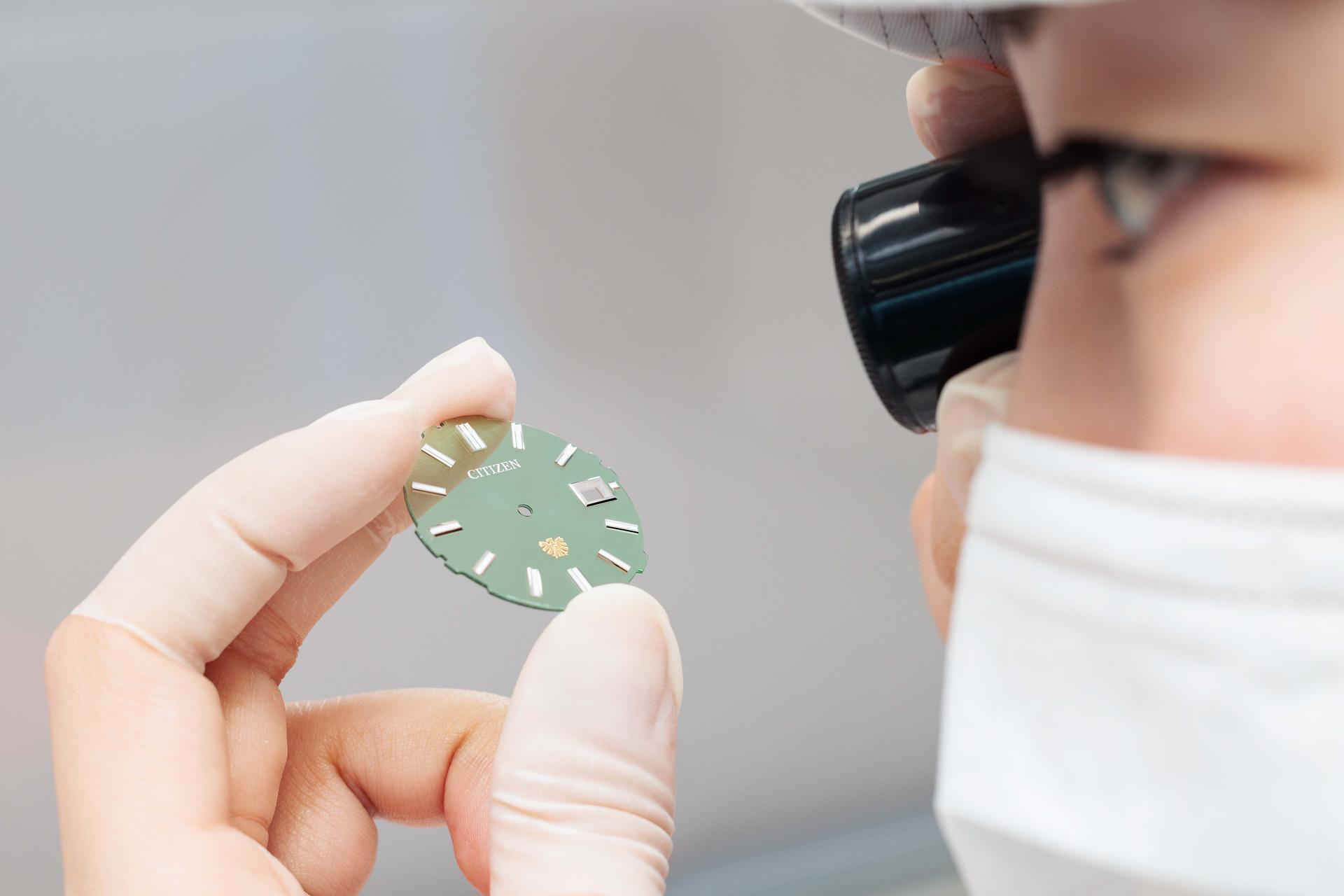
Final inspection of a Citizen dial.
|
In the hierarchy of vaguely annoying things about watches, batteries have to be up there near the top. It’s all ticketyboo while the power lasts—you never have to think about it and, of course, it will keep way better time than a mechanical watch. But after a few years, when the battery is shot, that’s when things get dicey.
First you have to identify which teeny battery you need, assuming you have the dexterity to get the back off your watch. Then you have to find said battery. Finally, you have to get the damn thing in there and seal the watch back up without blowing a gasket (in both senses). You could take it to get fixed, but who has time for that? In the scheme of things, you’re more likely to forget about your watch than remember to put a new battery in it. Automatic mechanical watches are a viable—if more costly—solution, but you have to wear them consistently or they’ll lose power after a few days (at most).
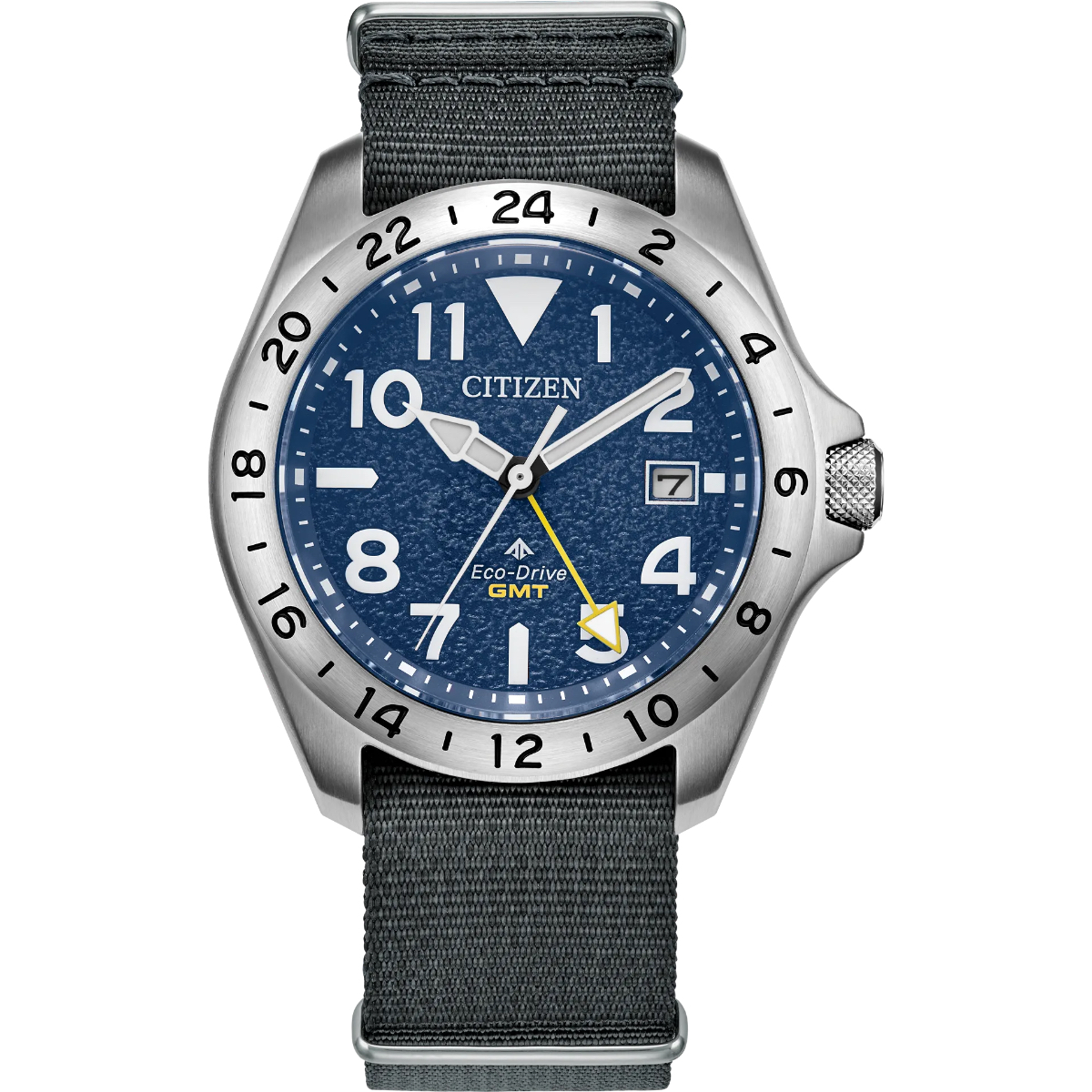
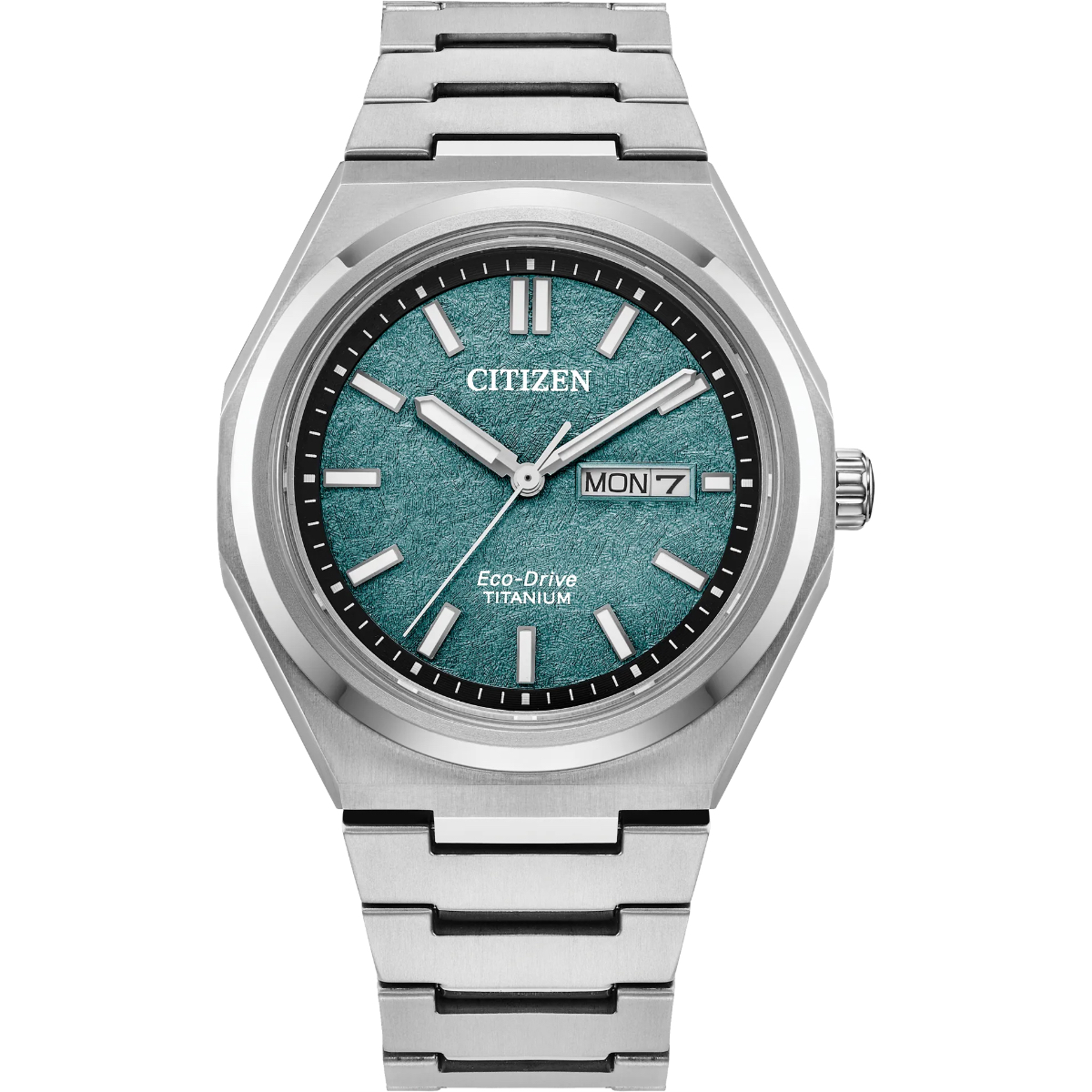
A Citizen Eco-Drive watch, on the other hand, will theoretically keep on going forever. You just need light—be it electric or daylight—to keep it ticking.
|
|
|
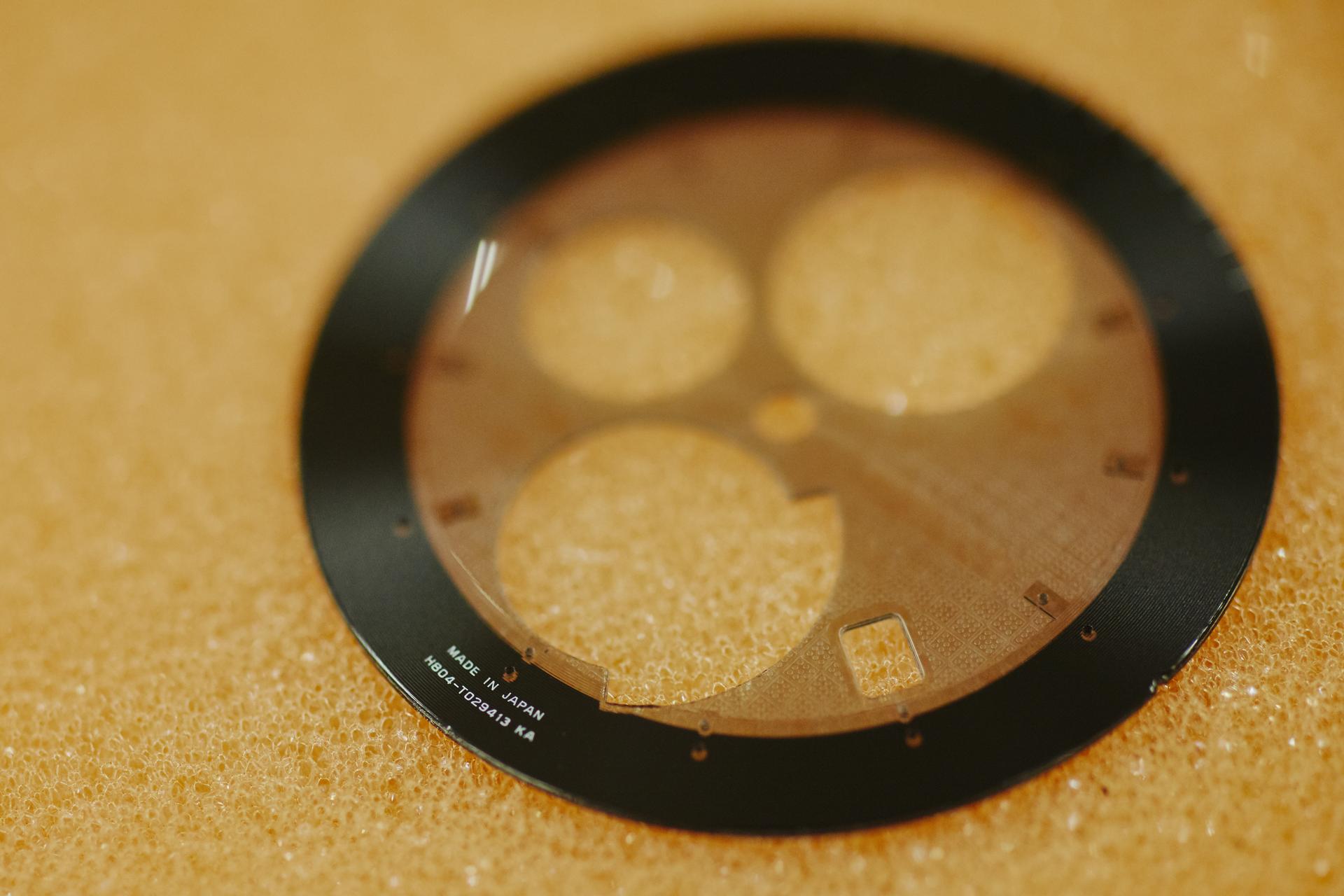
A pad-printed piece of an Eco-Drive watch.
|
In a business dominated by lofty mechanical makers, it’s good for the soul to get re-educated once in a while. Last week, I was privileged to travel all the way to Tokyo to have my horological preconceptions thoroughly reorganized by Citizen, a 108-year-old Japanese watch brand that thinks in a wholly different way from other brands.
At Citizen, you see, power is everything.
If you think of solar power as futuristic it may surprise you to find out that it’s been around—in concept, at least—for almost 200 years. The principle of the science goes back to 1839, when French physicist Edmond Becquerel discovered the photovoltaic effect. Selenium-based cells capable of storing electrical power gathered from the sunlight appeared in the 1880s. The first viable photovoltaic cell arrived in 1954, and the first solar-powered watches hit the market—courtesy of Citizen—in 1976.
The Crystron Solar Cell was a quartz, analog-display watch powered exclusively by the rays of the sun. There was no missing the solar part; the four black photovoltaic cells took up most of the dial. As proof of concept, it worked—but the real trick was making those cells invisible but still functional beneath all sorts of dial materials. Citizen figured that out in the ‘90s and named the new movement Eco-Drive. Digging up new and ingenious materials for dials that would let the light through to the cells without loss of efficiency has been the thrust of Citizen’s research and development ever since.
|
|
|
The Citizen hub in Kawaguchiko.
|
The five-day Eco-Drive 50th birthday tour included three of Citizen’s 17 factories in rural Japan—the brand makes a lot more than watches—including the all-important dial-making setup in Kawaguchiko, an hour’s drive from Tokyo. That was followed by the assembly and testing HQ in Miyota Saku. (If the name Miyota rings a watchmaking bell, Citizen produces Miyota movements there for countless other brands.)
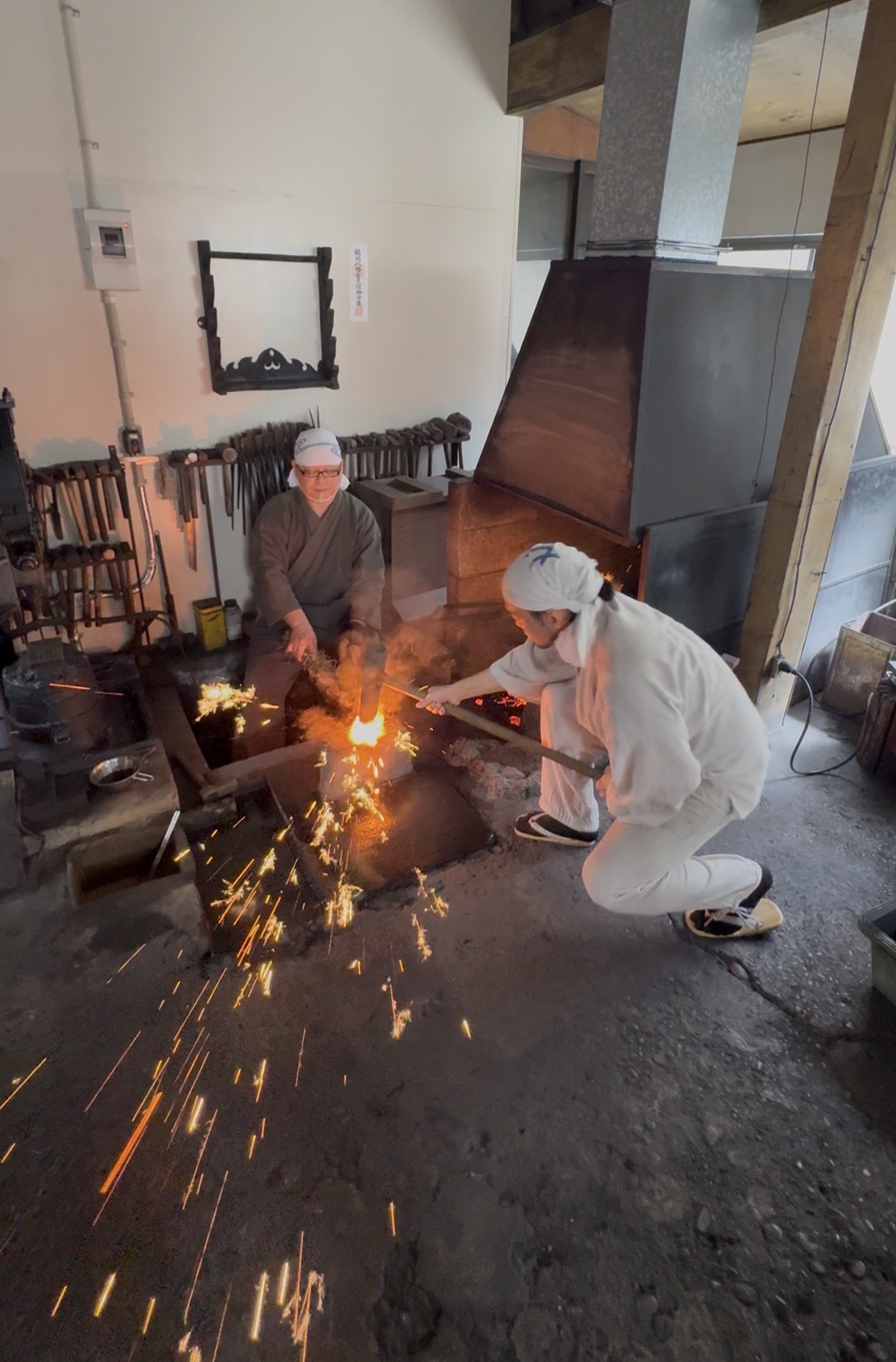
But the trip also afforded some fascinating cultural asides, like learning kintsugi (or the fine art of mending cracks in porcelain) and visiting a sword-making forge that was run for 700 years (until 2022) by 24 generations of a single family. The highlight of the off-curriculum stuff, however, was two hours spent hiking in silence in the mountainous Nagano prefecture with a Yamabushi, a devotee of an ascetic offshoot of Shinto Buddhism that immerses the follower in mountains and nature.
|
|
|
At the 700-year-old forge.
|
Our guide for the two-hour silent hike.
|
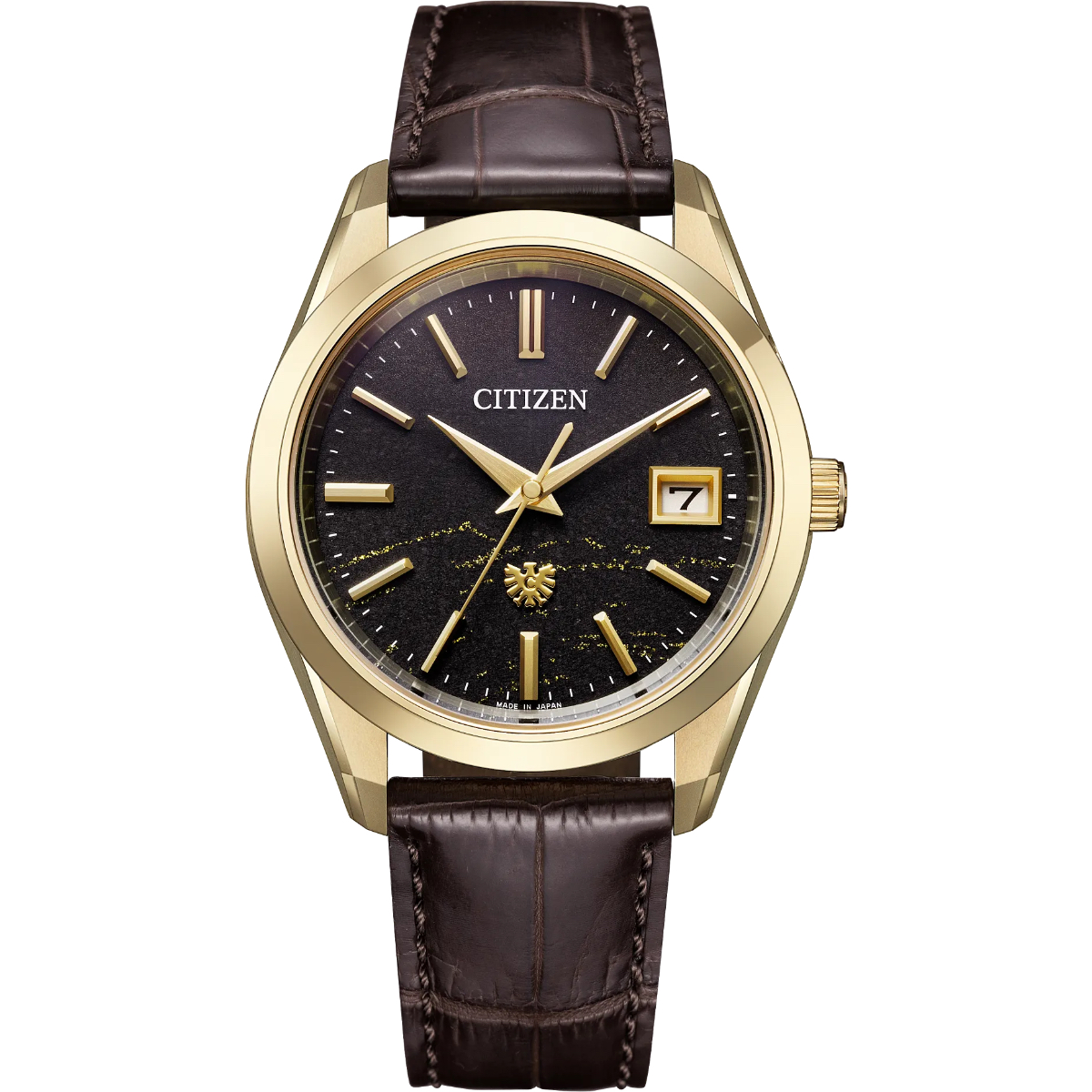
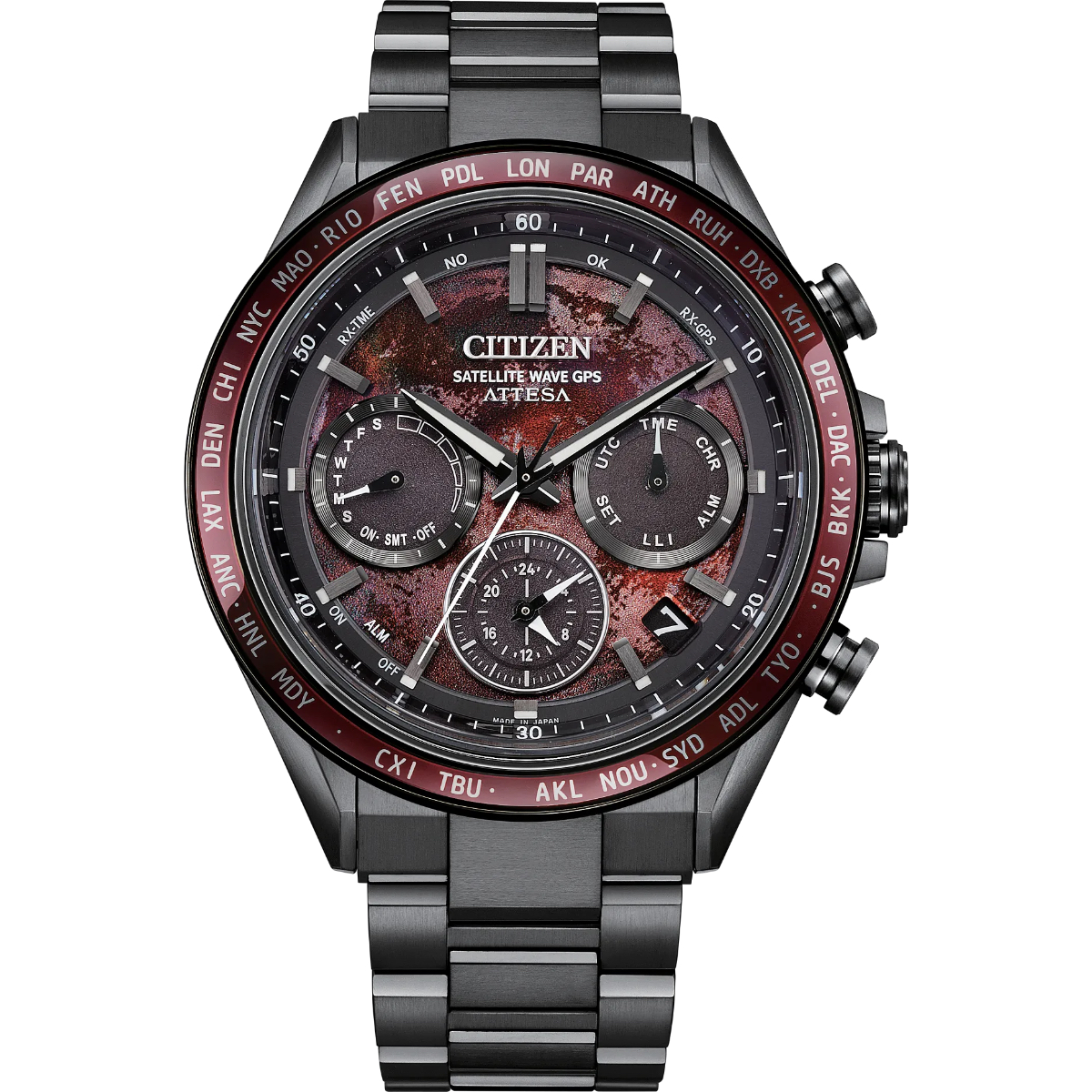
All of this only threw into starker contrast the high-tech assembly lines of Citizen’s watchmaking. At the same time, it also echoed the craft-based approach of the dial-makers at Citizen, who shave natural mother of pearl to slivers just half a millimeter thick and, in other watches, use washi (handmade Japanese paper) to decorate the dials. Metallurgy, naturally enough, is critical too; the use of titanium as well as the lightness of the solar cells and quartz movements make Eco-Drive watches among the lightest serious watches around. Superior materials also mean there’s a surprising range of prices for a non-mechanical watch here, running from the low hundreds for the popular Promaster diver to around $1K for the elevated Attesa line—and then into several thousand for the premium “The Citizen” range, including a recent gold-tone, super-titanium version.
|
The newest addition to my collection?
|
|
|
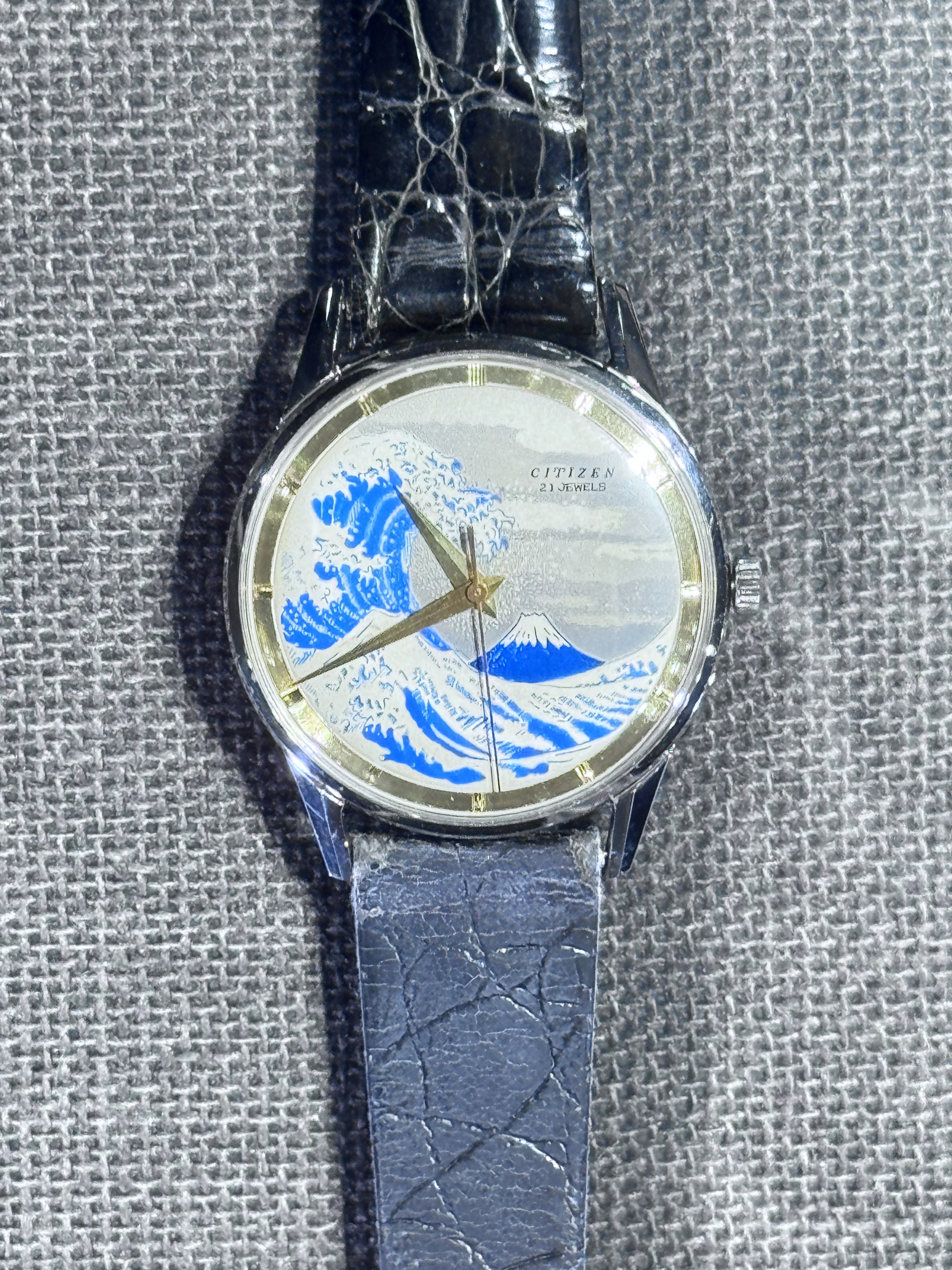
But with a brand more than a century old, it’s not all about contemporary offerings. A leisurely rummage through the Citizen museum at Kawaguchiko revealed several delightfully arty mechanical pieces from the brand’s 1960s pre-quartz days. One has already made it onto my “ones to keep an eye out for” list: a manual-wind three-hander in steel (circa 1961) with an enameled version of Katsushika Hokusai’s famous woodcut The Great Wave off Kanagawa on the dial.
Thanks for reading this week’s Big Black Book newsletter. See you in a couple weeks. Until then, feel free to drop me a note at nicksullivanesquire@hearst.com.
- Nick Sullivan, creative director
|
Did someone forward you this email? Sign up here.
|
|
|
- A closer look at Meta’s new Ray-Ban glasses.
- If you’re wondering what to put on your feet this spring and summer, we’ve got you covered right here.
- Business travel isn’t always interesting as a trip around Japan. Here’s how to pack for a standard three-day, two-night work trip.
- Want to know what’s in Future’s Louis Vuitton bag? Here you go.
|
|
|
|








No comments:
Post a Comment