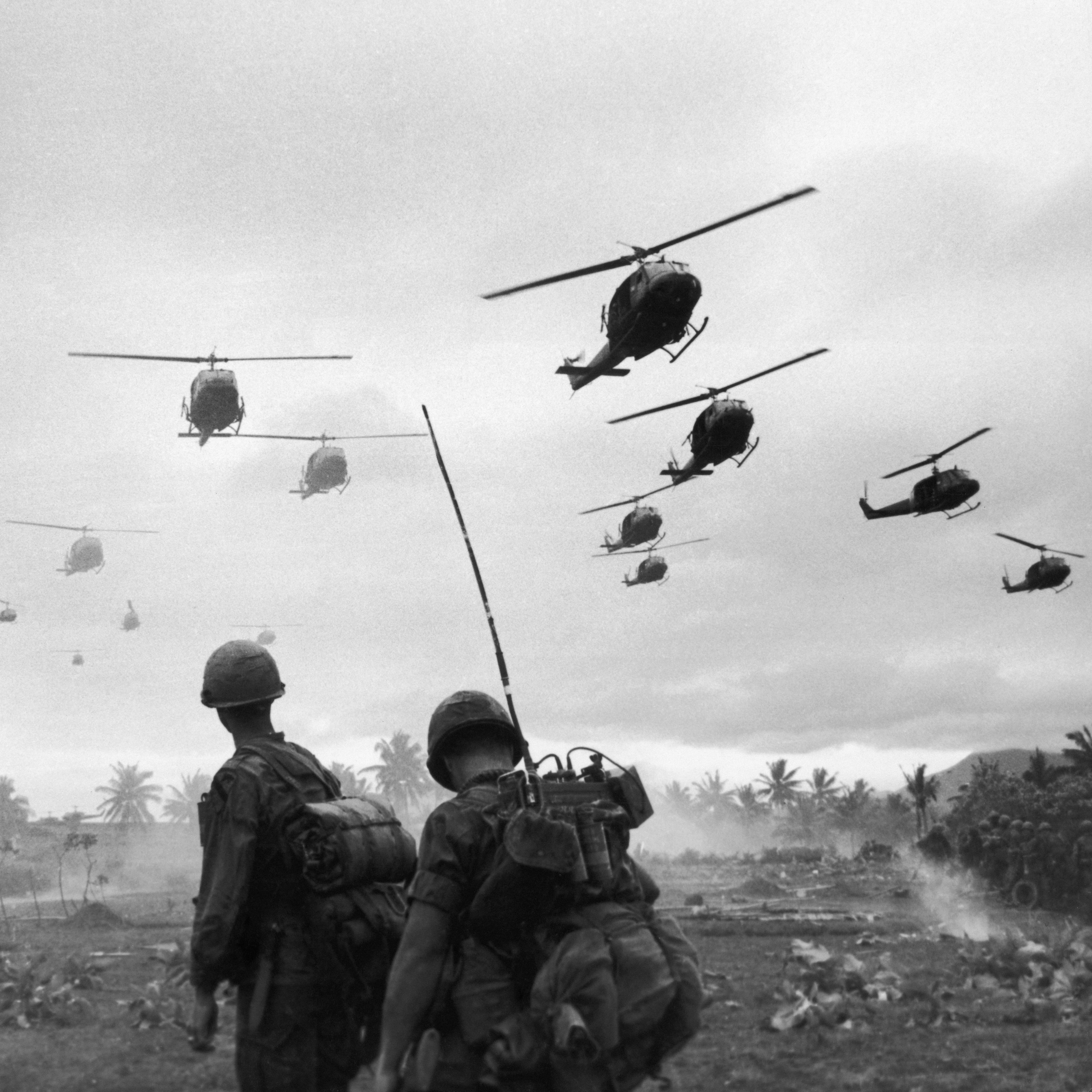
I last saw Hiers in a rice paddy in Vietnam. He was nineteen then—my wonderfully skilled and maddeningly insubordinate radio operator. For months we were seldom more than three feet apart. Then one day he went home, and fifteen years passed before we met by accident last winter at the Vietnam Veterans Memorial in Washington. A few months later I visited Hiers and his wife, Susan, in Vermont, where they run a bed-and -breakfast place. The first morning we were up at dawn trying to save five newborn rabbits. Hiers built a nest of rabbit fur and straw in his barn and positioned a lamp to provide warmth against the bitter cold. "What people can't understand," Hiers said, gently picking up each tiny rabbit and placing it in the nest, "is how much fun Vietnam was. I loved it. I loved it, and I can't tell anybody." |
|
|
Fillers have a branding problem. For years, they've been associated with overfilled cheeks, swollen faces, and a vague sense that something has gone wrong. It's a safe generalization to say that many men approach fillers with high levels of skepticism. But that reputation has far more to do with outdated technique than modern practice, says Anthony E. Brissett, a Houston-based double-board-certified facial plastic surgeon and current president of the American Academy of Facial Plastic and Reconstructive Surgery. At the core of Brissett's approach is a simple but often missed distinction. "Filler is not a shortcut; it's a tool," he says. Used correctly, it isn't about chasing a line or adding volume where something looks off. It's about restoring support in places most people don't immediately notice, reinforcing structure so the face ages better over time rather than being patched together session by session. |
|
|
Divorce never felt like a real option. It would have meant public, professional, and familial failure. It would have meant selling the brownstone in the good neighborhood, recalculating finances. Instead, about seven years ago, we opened our marriage to polyamory. At first, we dated other couples together. It was easier that way. My wife had a warmth I could hide behind, and women trusted her. We felt legitimate as a pair. I told myself it was mutual exploration, and for the most part, I got what I wanted. One couple we grew close to imploded. There were late-night fights and frantic texts, and a year later they were divorced. I remember laughing about how messy it all got. After that, my wife preferred to date separately. |
|
|
In his oversize brown sweater, blue slacks, and tan sneakers, Jack Whitehall fits right in with the other Santa Monica tourists. With his slightly overgrown beard and sleep-deprived eyes, Whitehall looks like a weary young dad who needs a nap, which … he is. He has a two-year-old daughter with model Roxy Horner, and the couple plan to be married in April. Give or take a few dark secrets, he's not all that different from Rob, the young father he plays in The 'Burbs, which debuted on Peacock February 8. Whitehall stars alongside Keke Palmer as a couple who have moved with their infant child to start a new life in the sunny, seemingly picturesque California neighborhood where he once grew up. As with the 1987 Joe Dante–directed Tom Hanks movie that serves as inspiration, the pleasant exterior is just curb appeal. Main Street U.S.A. has a Gothic side, and there are creepy neighbors, macabre legends, and paranoia aplenty to be found in this particular cul-de-sac. "The lesson that you learn in The 'Burbs is that everyone has their secrets," he says. |
|
|
Hardly a week goes by in the Esquire offices without a new Seiko landing in the in-box and getting the thumbs-up from someone in the room. Launches arrive at a steady clip, and judging by how often Seiko stories rise to the top of our most-read list, our readers feel much the same. It comes down to scale. There is no other watch brand that caters equally to the casual buyer with a few hundred bucks to spend and the hardened horologist with $10,000 burning a hole in their pocket—a range that has produced a family tree so sprawling it can feel mildly deranged to navigate. |
|
|
On Wednesday morning, Secretary of Defense—who wants you to call him Secretary of War—Pete Hegseth gave a press briefing at the Pentagon about Operation Epic Fury, our limited combat operation in Iran. In his remarks, he insisted that "we are playing for keeps," "we are just getting started," and "Iranian leaders are looking up and seeing only American and Israeli airpower, every minute of every day, until we decide it's over." We have heard "this will not be another endless war" a lot in the past few days, which, as it has all the other times we've heard it, means it's going to go for a very long time. This means we're going to be seeing a lot of Pete Hegseth. If you haven't been keeping up with him, here is a quick Pete Primer to give you some fast facts that may or may not include what the hell is wrong with him. |
|
|
|








No comments:
Post a Comment