A Vintage Hound's Guide to eBay
|
The OG auction site is a sartorial treasure trove—if you know the ins and outs of effective sleuthing.
|
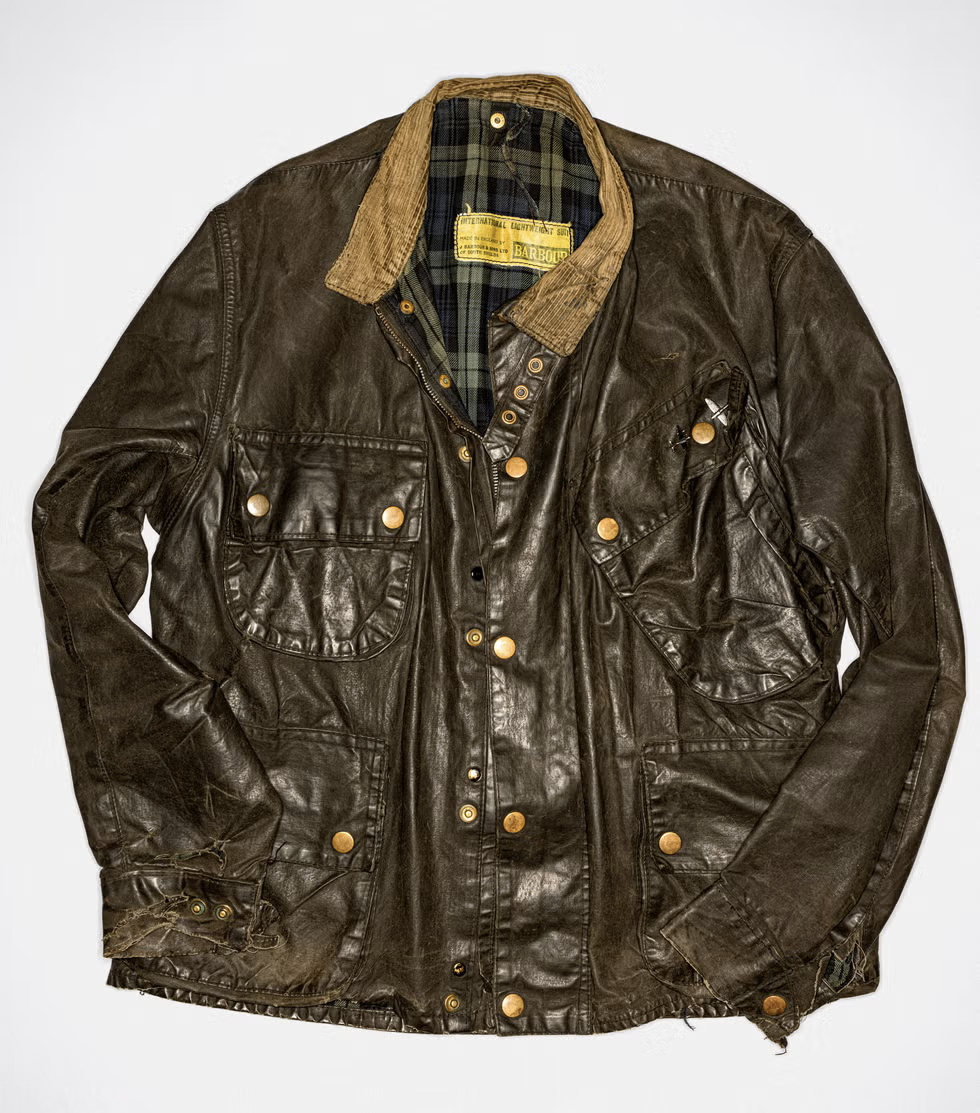
The author’s Barbour International Lightweight jacket from 1967. (Photo: Henry Leutwyler)
|
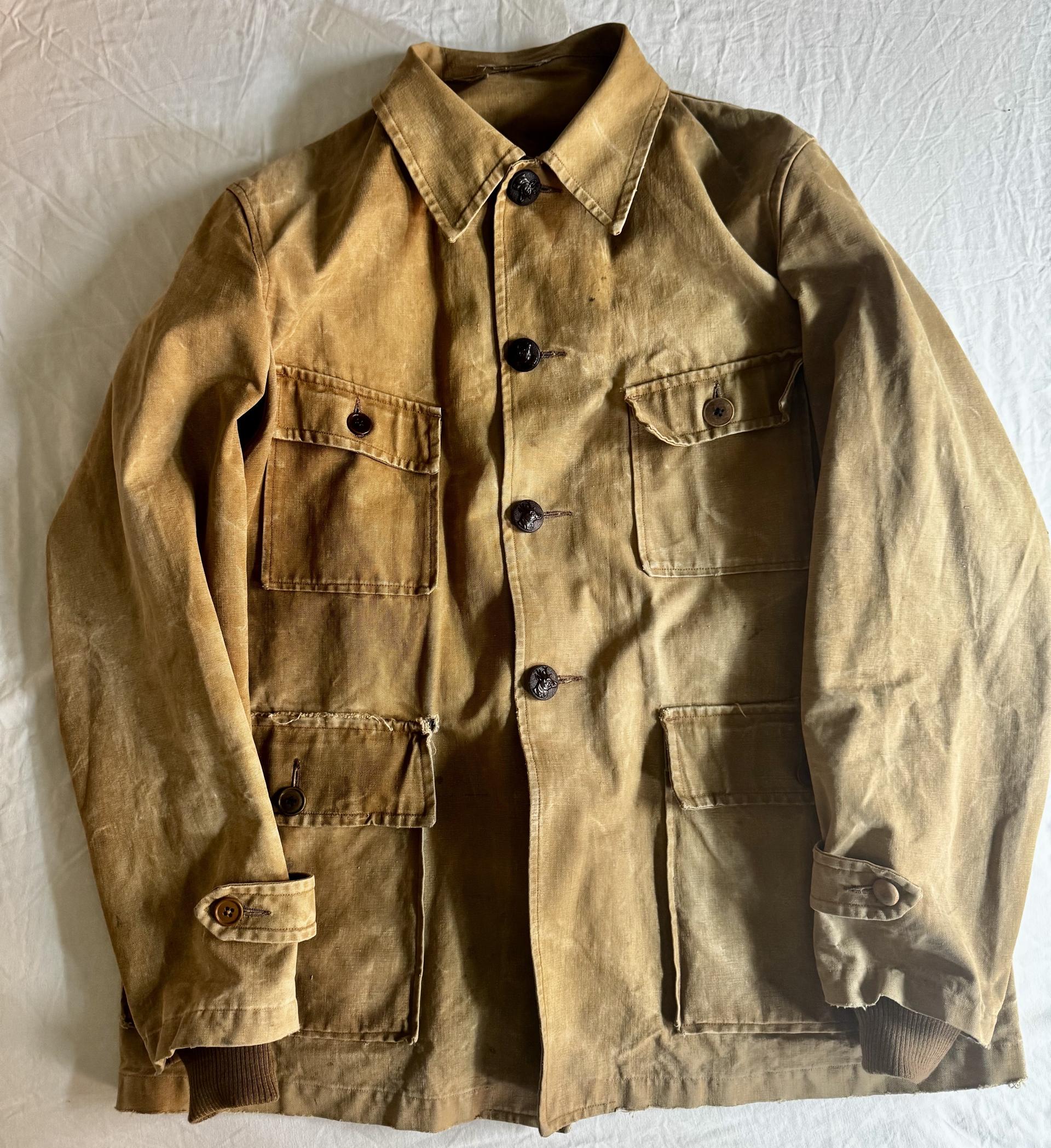
Last year, during a 12-hour layover in Tokyo, I bought a French-made 1940s cotton hunting jacket with Bakelite buttons at Jantiques in Nakameguro, my go-to vintage spot in Tokyo. Jantiques is the worst-kept secret in vintage menswear in a city that’s full of the good stuff. Prices are high. But so fortunately is the curation. “You gets what you pays for,” as they say. Two of the generic hunting buttons, featuring deer heads, were missing from that jacket, but I found matching replacements for them on Etsy. It took three months to nab them, and it was well worth it, but I can’t help feeling there’s an easier way than flying thousands of miles to get my vintage fix.
|
The French hunting jacket from Jantiques. (Photo: Nick Sullivan)
|
Hyped up on Instagram, vintage is officially A Thing right now in menswear. But brick-and-mortar stores are limited in space. At some, you get the feeling that the dude behind the counter doesn’t want to sell you anything at all. There’s still the thrill of discovery, but it’s usually quickly followed by sticker shock. Even online vintage is so over-picked these days that wins are slim. It’s not exactly fun.
You know what’s fun? eBay is fun.
I’ve been an armchair vintage hound for years, and while the proportion of well-informed eBay sellers has increased—and, along with them, the prices—eBay is still, relatively speaking, the Wild West. That is, if you, like me, you have limitless patience. There are numerous extremely well-informed dealers of the kind of vintage I like on eBay. But their prices are high (or perhaps “realistic”), and their range of stock is low. Generally, however, eBay is a constantly updating sea of potential good stuff. Armed with the right intel and a certain knowledge, you can sort through the dross and pick out a gem for well under market value.
|
The author in his ‘90s Patagonia jacket in Iceland. (Photo: Nick Sullivan)
|
There’s no particular rhyme or reason to my collecting except for two rules: It has to be wearable and functional, and it has to fit in with the rest of my daily wardrobe. Generally, that means outerwear. So I’ll trawl through technical sportswear, ancient militaria, workwear and hunting clothes. Half of modern menswear looks like that anyhow; I’d rather have the real stuff. I do look wistfully at Stone Island, but by and large I’m after things made before fashion began, when clothes were built for purpose and therefore built to last.
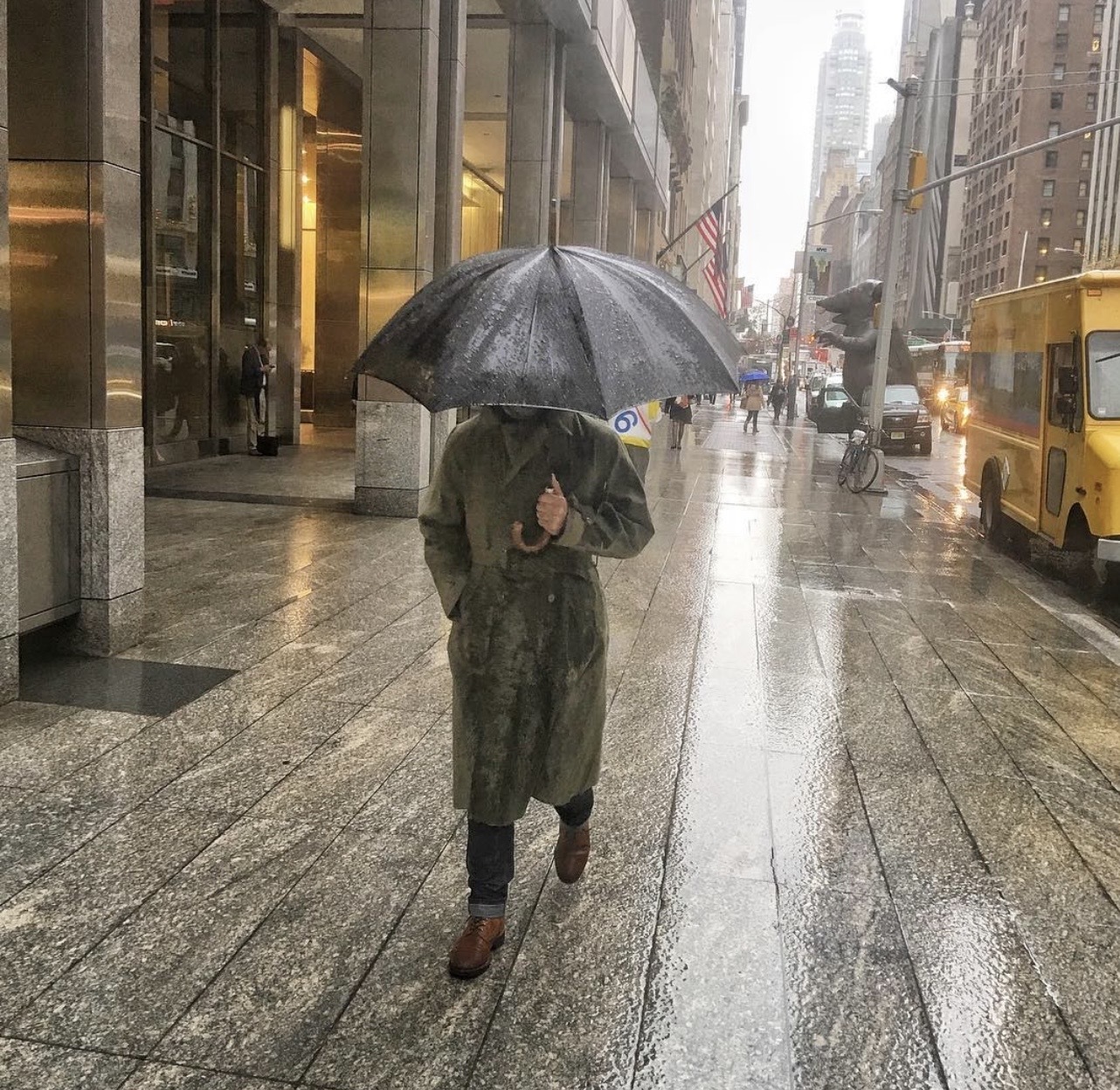
From eBay over the years, I have nabbed a 1967 yellow-labeled Barbour International Lightweight jacket ($75) and an early 1990s Patagonia offshore sailing parka ($120) in fetching fuchsia pink, banana yellow, and ivory (they did wonderfully unusual color combos back then). And then there was a 1960s French Navy (Marine Navale) raincoat, which does a good job keeping the rain out in New York ($85). They were wins not only because they were relatively cheap, but because they are rare and they work. Triple the fun. But rather than go on and on about things that might not appeal to you, I thought a 10-point guide to eBay sleuthing might be entertaining. Happy hunting!
|
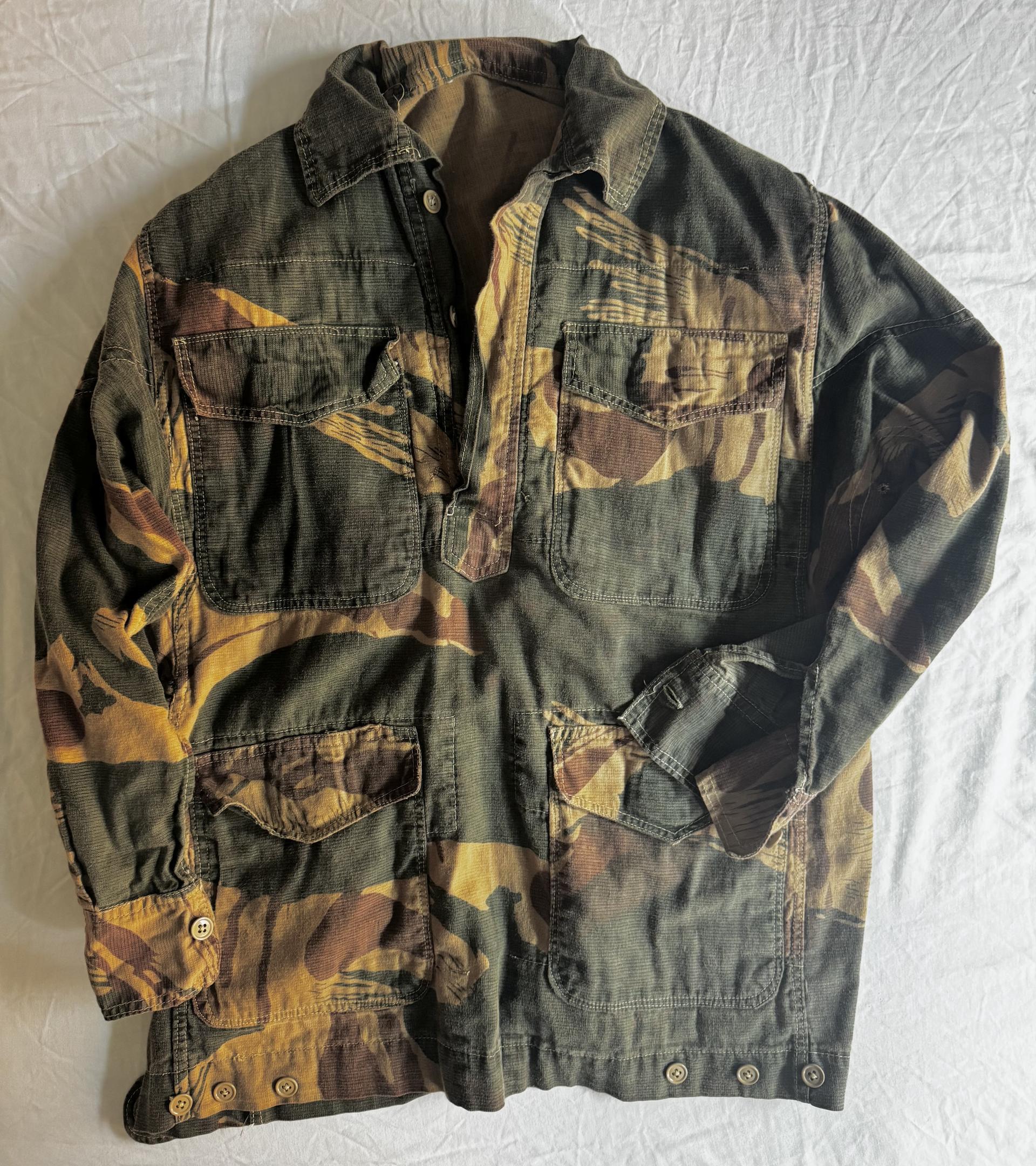
A Pakistani parachute regiment smock from the 1970s. (Photo: Nick Sullivan)
|
The Rules of the Game
1. Patience. Good things come to those who wait. Learn the keywords for the thing you want. Don’t snap up the first item you see. You get a better picture of the value of something from 10 listings than you’ll get from just two and you’ll learn as much from the listings you don’t buy as the ones you do.
2. Research. If you’re serious about a certain military or workwear piece, the more you know about it, the more pitfalls you can avoid. There are some real nerds out there who have devoted their lives to military vintage. Having an offline point of reference is always useful. For workwear, denim, and hunting clothes, subscribe to Eric Maggiori’s wonderful series called Avant, each edition on a different and rather niche subject. For U.S. militaria, you need books like From Doughboy to GI, by Kenneth Lewis, a British collector, which has pics and info pertaining to just about everything ever issued between 1945 and 1971. DPM, a three-volume encyclopedia of camo by Hardy Blechman of Brit brand Maharishi, is quite helpful, too.
3. Beware reproductions. The Japanese in particular have made point of creating stitch-for-stitch homages to past military clothing in a quest for authenticity, rather than out a sense of fraud. They are so good at it—witness The Real McCoy’s—that it’s often hard to tell it from the real thing. This is particularly true of U.S. military garments, especially from the WWII era.
4. It’s a numbers game. You might buy three of the same thing before you find one that fits perfectly or is in clean enough condition to wear. Size matters, so getting to know how military sizes worked is helpful but not essential. Generally, the older the piece is, the smaller it’ll run. Often, the laid-flat measurements in the attached pictures are the only way to cross reference with your own clothes to see if the piece will fit you. If there are no laid-flat measurements, move on.
|
The author putting his French Navy raincoat to good use. (Photo: Nick Sullivan)
|
5. The more knowledgeable the seller, the higher the prices. On the upside, it means you can trust them. But on the downside, you also have to pay for that knowledge. On the other hand, the shittier the pictures, the more chance you’ll stumble on a gem for a really good price.
6. Trust your gut. If it looks wrong, it probably is.
7. Sometimes people don’t know what they’ve got. That’s an opportunity.
8. Stealthy does it. While the auction is running don’t go charging in, upping the bid every time you get outbid. You’ll only spur others to bid more. Wait. For peace of mind, sign up to automatic bidding apps like Auction Sniper. These allow the app to bid automatically for you at pre-set levels at pre-set times, often seconds before the close of an auction. Say the current bid on an item, a day before the close, is $50. Bidding has been brisk, so you think at the closing price could be as much as $125. But set your snipe for $175, and 3 seconds from the end. Even if conventional bidding reaches $150, you’ll nab it for $151 because you only have to pay a dollar more than the next guy. Only you can decide how much you want something, but, of course, other people are out there too, right now, deciding the same thing.
9. Nothing is written. The moment you tear your item out of its wrapper is the first time and only time that you know for sure if you scored big or paid for a turkey. Save the high fives until then.
10. Be mindful of wearing military insignia. It’s not my jam, but there are names—and laws—for people who wear insignia they are not entitled to.
|
|
|
|
Thanks for reading this week’s Big Black Book newsletter. See you in a couple weeks. Until then, feel free to drop me a note at nicksullivanesquire@hearst.com.
- Nick Sullivan, creative director
|
|
|
|
Did someone forward you this email? Sign up here.
|
|
|
|
|






No comments:
Post a Comment